
In 2026, we were delighted to receive an exciting collection of medical and surgical items from William Stewart. During his career as a GP in Castlederg, William amassed a large collection of historical items, which he kindly donated to Ulster University. In November 2026, a selection of these items went on display in Ulster University’s School of Arts and Humanities, Coleraine Campus (I Block).
Find out more about the history of these items below.
[ADD PICTURE OF DISPLAY CABINET BELOW]

Fiery Jack Ointment
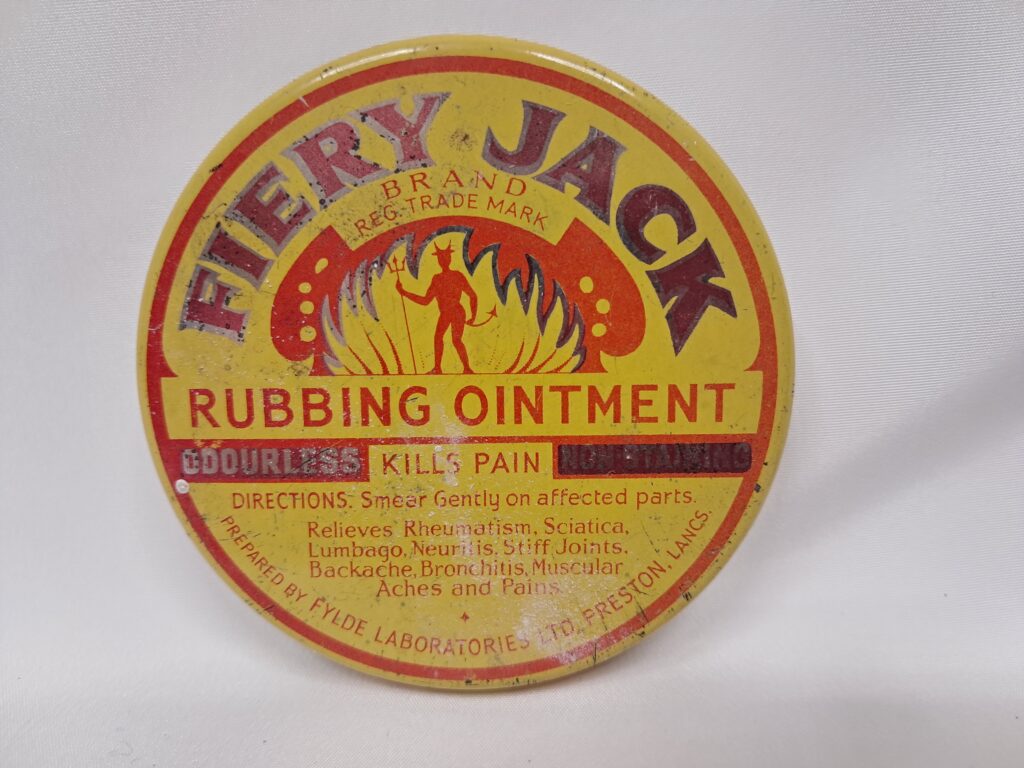
Deep heat ointments were first introduced in the 1890s. This vintage tin contains ‘Fiery Jack’ rubbing ointment manufactured by Fylde Laboratories, Lancashire, during the 1940s. It is strikingly decorated in red and yellow, and features Satan with a pitchfork standing in front of a fire. Fiery Jack was used to soothe sore muscles and joints. It was made from chilli extract, unlike Deep Heat which used menthol. The chilli created an intense burning heat that depleted nerve chemicals that signalled pain. There was a hazard of accidentally transferring residual chilli pepper from unwashed fingers to sensitive areas of the body, causing severe burning. Unlike Fiery Jack, Deep Heat remains widely available today.
Elastoplast First Aid Dressings
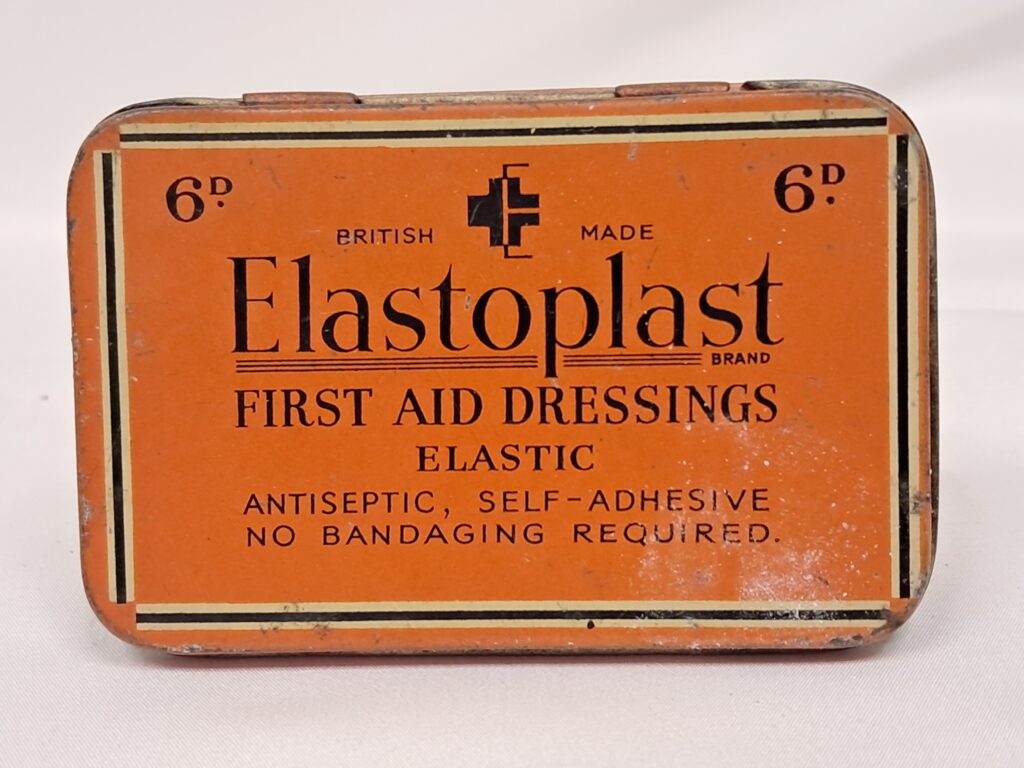
During the First World War, the T. J. Smith and Nephew Company experienced unusually high demand for its bandages and surgical dressings. Its owner, Horatio Smith, even met with the French President, Raymond Poincaré, who provided its largest-ever order to supply surgical and field dressings. Elastoplast guaranteed the company’s commercial growth between the 1920s and 1940s.
Surgical Silkworm Gut
Silkworm gut was a strong, non-absorbable surgical suture and ligature material used between the 1800s and 1940s. Despite its misleading name, this material was not made from the guts of silkworms, but rather their silk glands, removed from mature silkworm larvae just before they spin cocoons. The Murcia region of southeastern Spain was once a major hub for the commercial production of silkworm gut for medical and fishing applications. Surgeons used silkworm gut to close skin incisions, repair deep tissues and tie off blood vessels because the material was lightweight, stiff, and exceptionally strong. Some medical variants were dyed (such as blue/grey) to improve visibility during operations. Later variations in the 1930s combined a silkworm gut core wrapped in metal alloys.
Improved Glass Ear Syringe
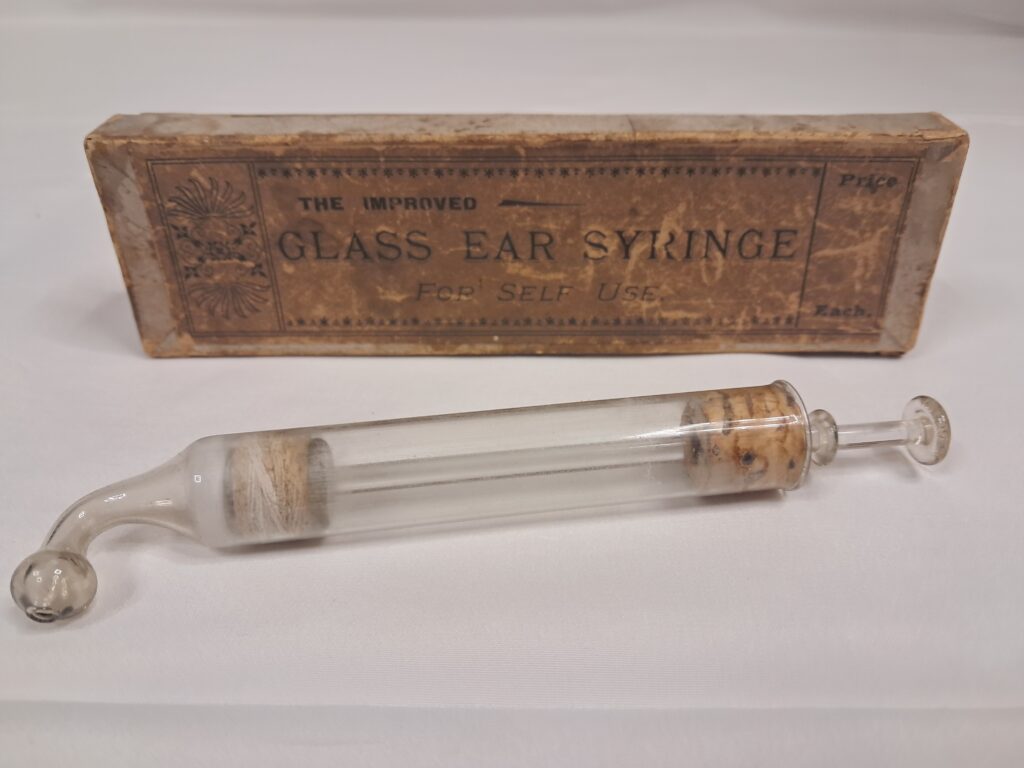
Domestic medicine chests became common in 19th-century homes, and commonly included ear syringes. Unlike earlier metal versions, glass syringes were easily cleaned and sterilised. Their transparency allowed doctors to accurately monitor the fluid and dosage. Piston-driven syringes helped regulate water pressure. However, glass broke easily, and, eventually, the syringes were replaced by plastic ones. Home ear syringing is no longer recommended! Unregulated pressure often ruptured eardrums and drove foreign matter and wax deeper into the ear canal.
Surgical Surture
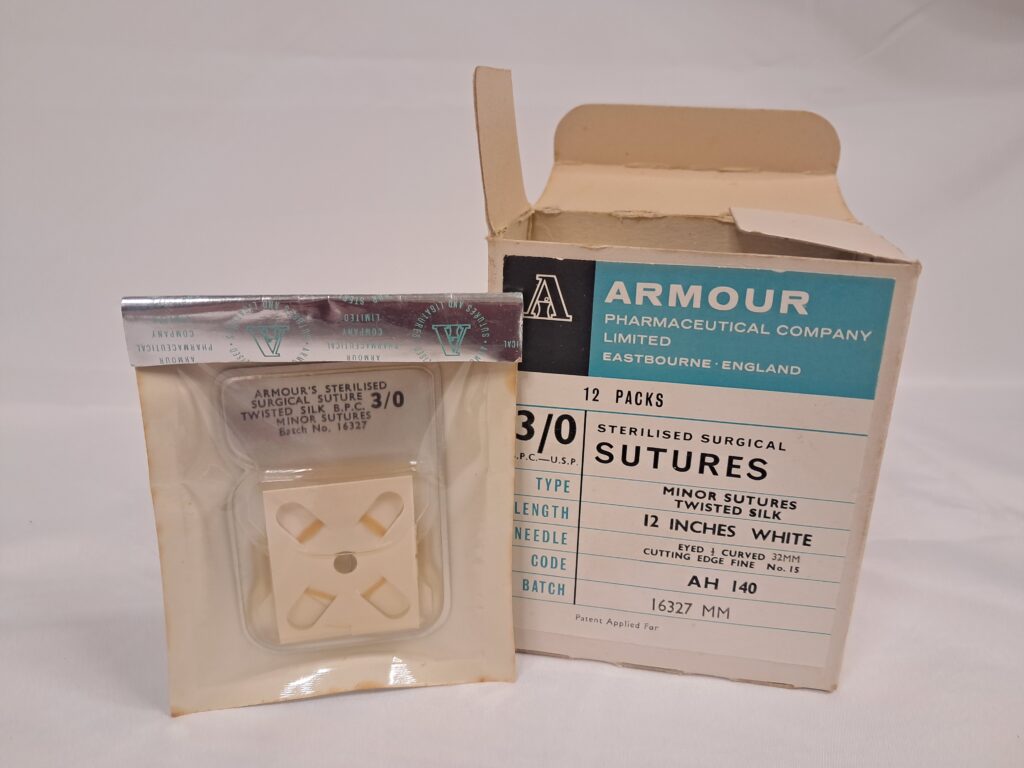
Nineteenth-century surgeons used sutures made from catgut – the twisted intestines of sheep, cattle and horses. Armour & Co. processed millions of cattle and sheep around this time, and had a ready, high-quality supply of raw animal intestines. Realising their medical value, the company established a specialised laboratory division that eventually evolved into the Armour Pharmaceutical Company. Older surgical sutures had been a major source of post-operative infection and sepsis as they were completely unsterilised. After Sir Joseph Lister advanced antiseptic surgery in the 1860s, manufacturers rushed to create sterile materials, including the Armour company. Their raw animal gut was cleaned, scraped, split and treated with chromic acid, and were carefully packaged to keep the sutures sterile prior to use.
Nasal Spray
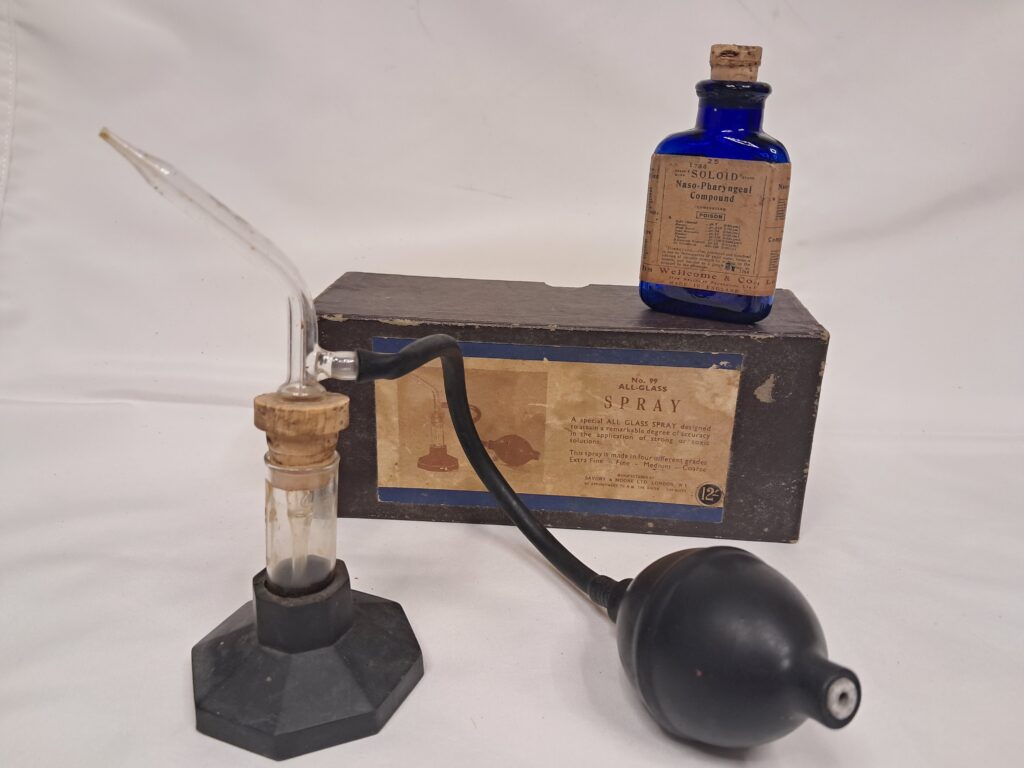
The Soloid Naso-Pharyngeal Compound was a commercial product available in the early 20th century used to treat inflammation of the nose and throat. It was a dissolvable powder either gargled or administered with a spray atomiser containing salt, boric acid, borax, menthol, thymol, oil gaultheride and cocaine. Because cocaine was toxic, it was designated a poison, as indicated by the ribbing and raised dots on the bottle.
Holloway's Ointment
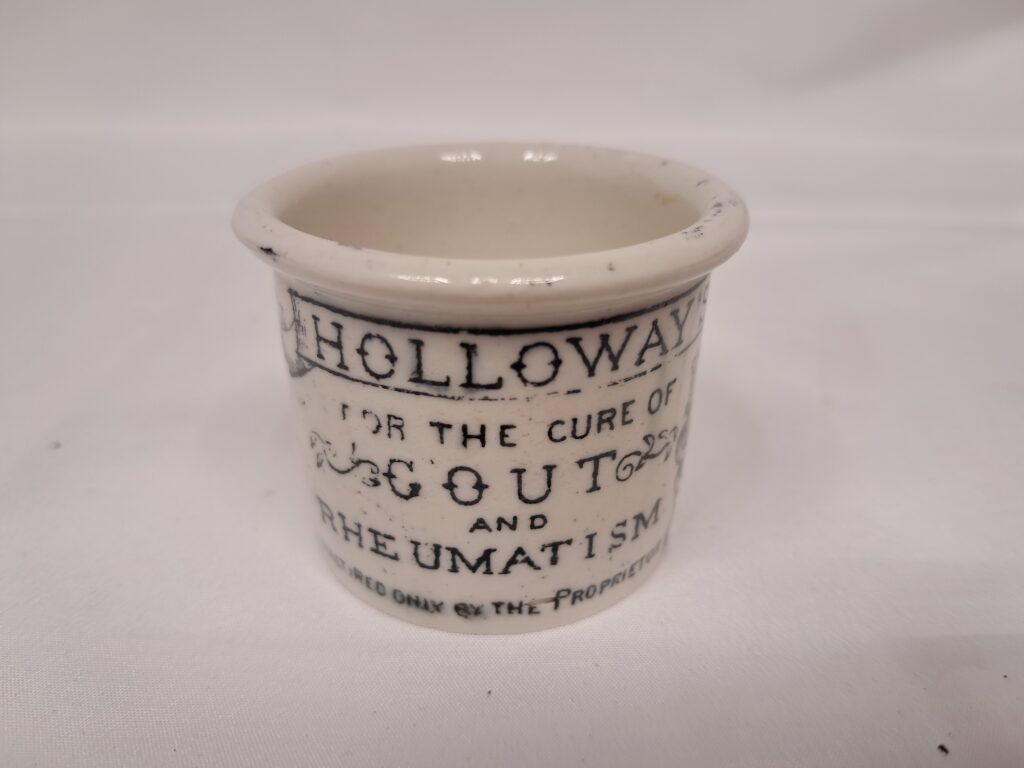
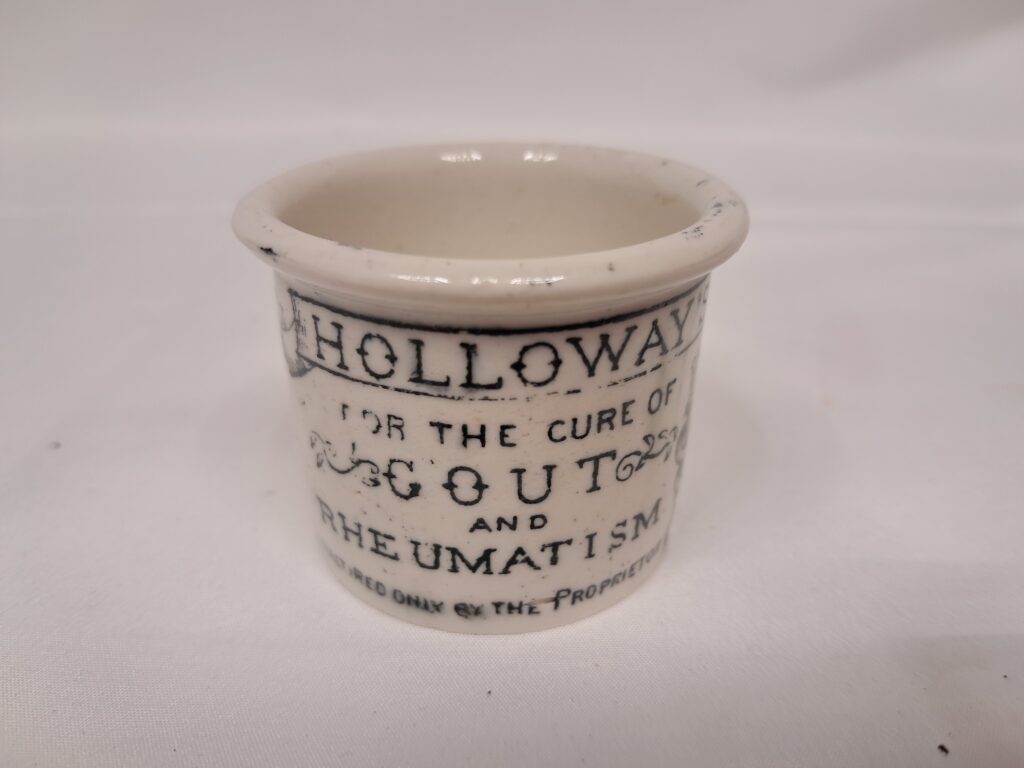
Holloway’s Ointment was a popular ‘quack’ cure, first commercially available in 1837. It claimed to be an effective treatment for a wide variety of ailments including gout, rheumatism and ulcers. The ointment’s inventor, Thomas Holloway, was an early pioneer of pharmaceutical advertising, and once tried to bribe Charles Dickens to include a reference to this ointment in one of his books. Holloway’s products became hugely successful due to his extraordinary ability to publicise his patent medicines worldwide through advertising. Holloway’s critics regarded him as a quack.
Pharmal
Enema
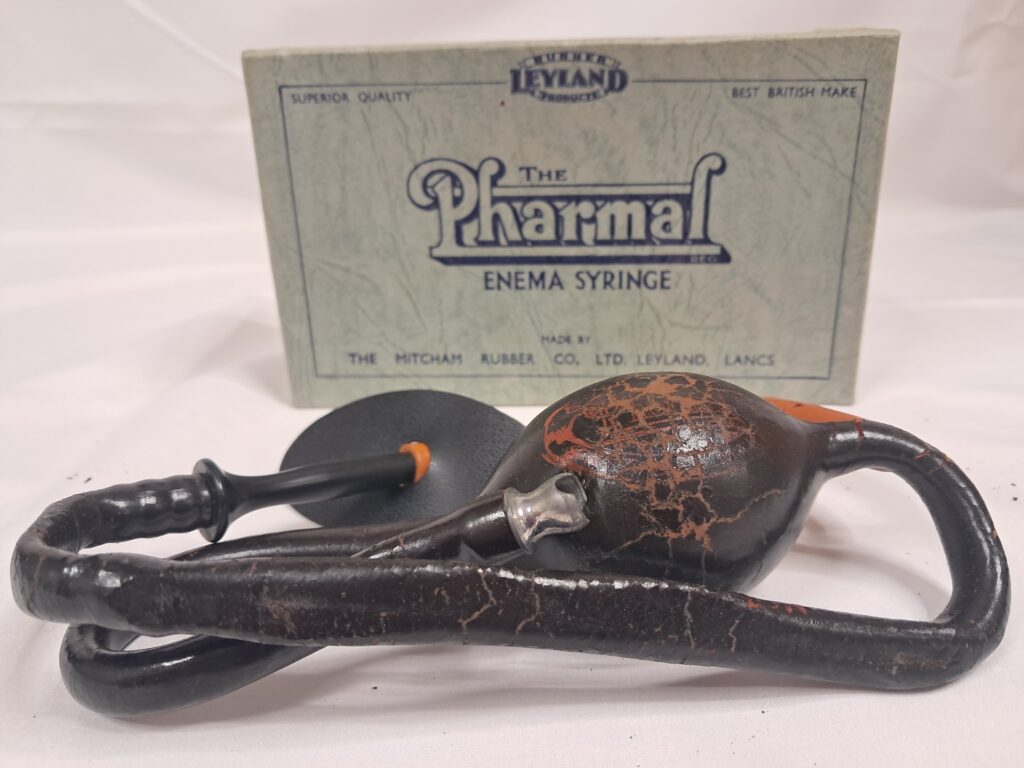
Vulcanised rubber was invented in the mid-nineteenth century. Whereas enemas used to be rigid, unwieldy apparatuses made from metal and wood, they were now flexible, self-administered tools. As rubber manufacturing advanced, so did the design of enema kits, which eventually came with bags, hoses and nozzles. Their primary use was to self-treat constipation. They were a standard household item. Fluids used included water, thin gruel with Epsom salts, milk and molasses.
Syringe Kit for Cocaine and Morphine
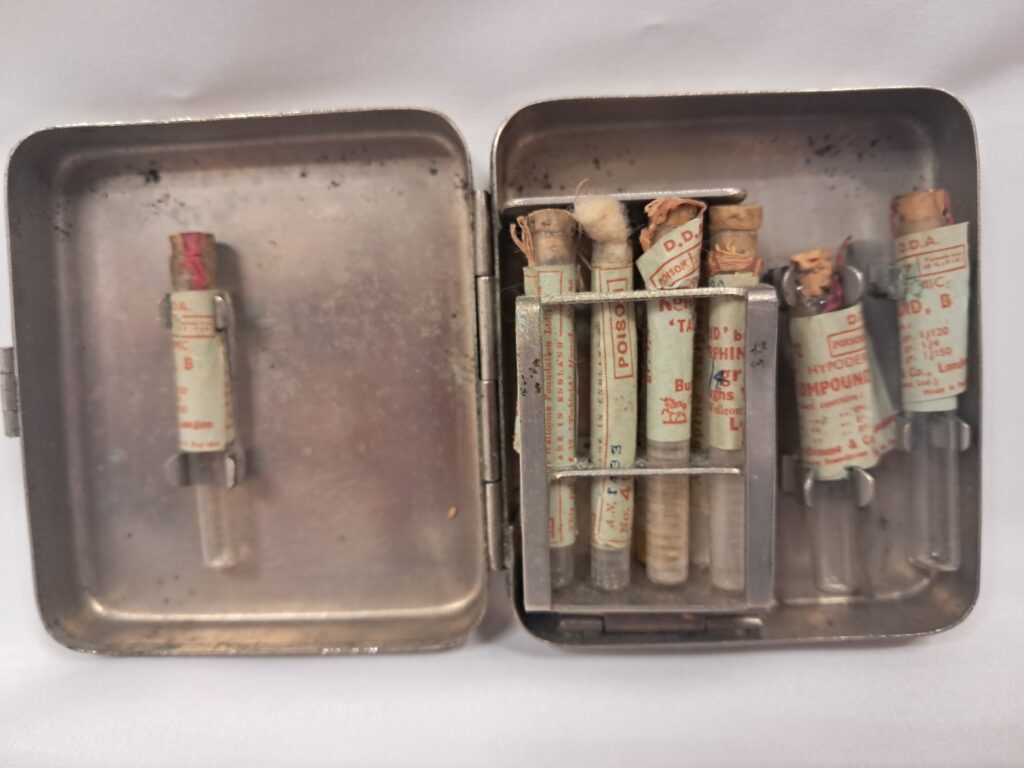
From the mid-19th century, morphine and cocaine were frequently prescribed as miracle drugs. Upper- and middle-class women used them as remedies for nervousness, headaches, depression and lethargy. Atropine slowed heart rates. Strychnine was injected to treat paralysed muscles. Morphine eased general pains, offering an alternative to opium which was dangerously addictive.
Everett Record Type Syringe
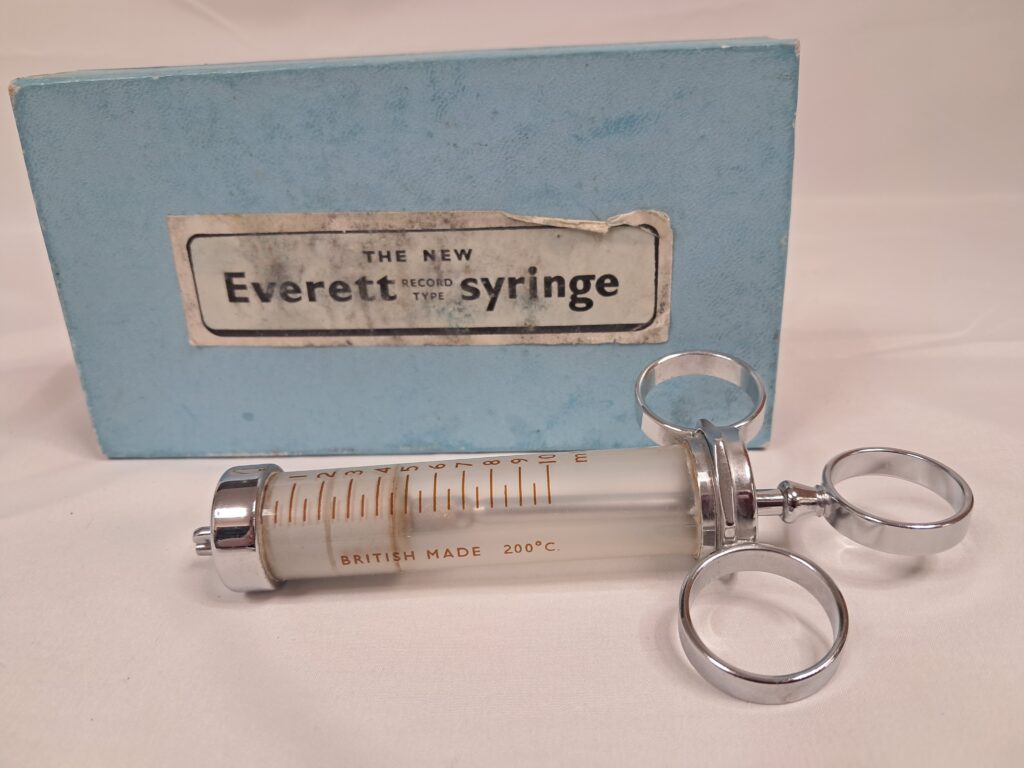
In 1844, an Irish doctor Francis Rynd created a hollow steel needle that could be inserted subcutaneously to deliver medication. In 1853, Alexander Wood, a Scottish doctor, invented the modern hypodermic syringe by adding a plunger to a hollow needle, allowing him to deliver precise medication doses. The subsequent development of glass syringes made it easier to see the dosage while the plunger allowed more control. Adding measurements to the side of syringes gave more control over dosage, meaning that medicine doses were no longer roughly measured. The Everett Syringe was popularly used in the 1950s and 1960s for insulin injections, blood withdrawal, and anaesthesia administration.
Eye Sight Testing Tools
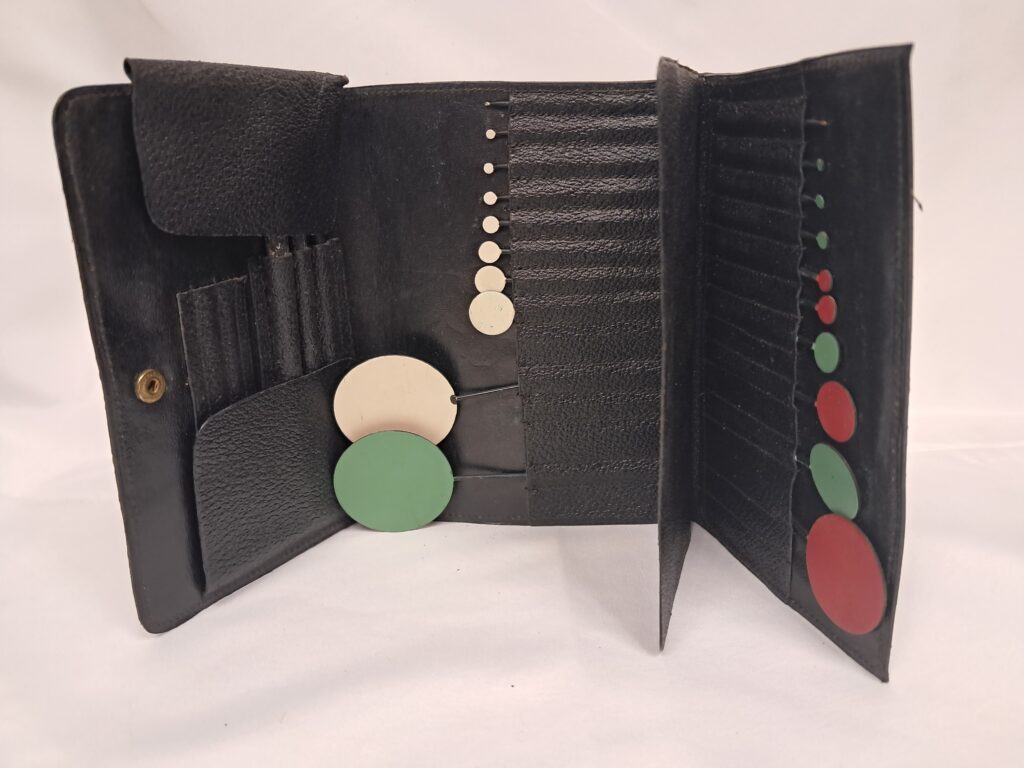
In the 19th century, Danish ophthalmologist Jannik Bjerrum began mapping visual fields by asking patients to identify whether they could see white objects on the end of a black stick in front of a black screen. Bjerrum’s innovations made the test a crucial tool for diagnosing and monitoring glaucoma and other conditions that cause visual field defects.
Eyesight Testing Chart
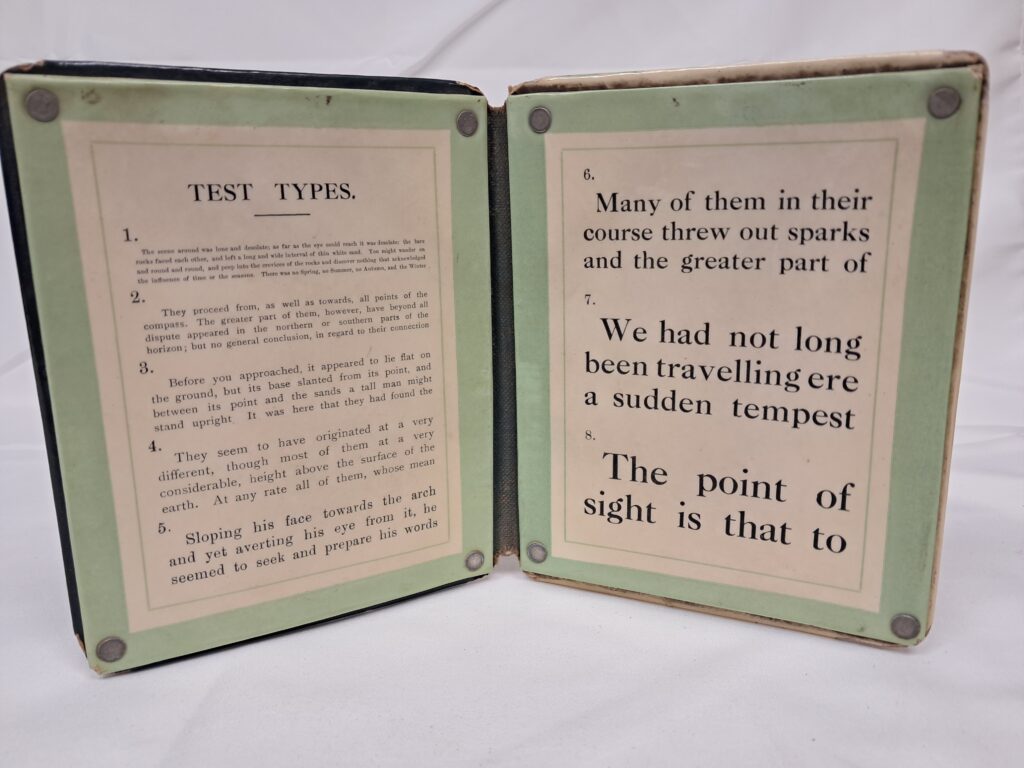
The modern eye chart was developed by Dutch ophthalmologist Herman Snellen in 1862. It standardised the measurement of visual acuity. The Snellen chart became a global standard and introduced the concept of ‘20/20 vision’. Before this, vision tests lacked consistency, with different doctors using their own unique charts with varying designs.
Glasses Case
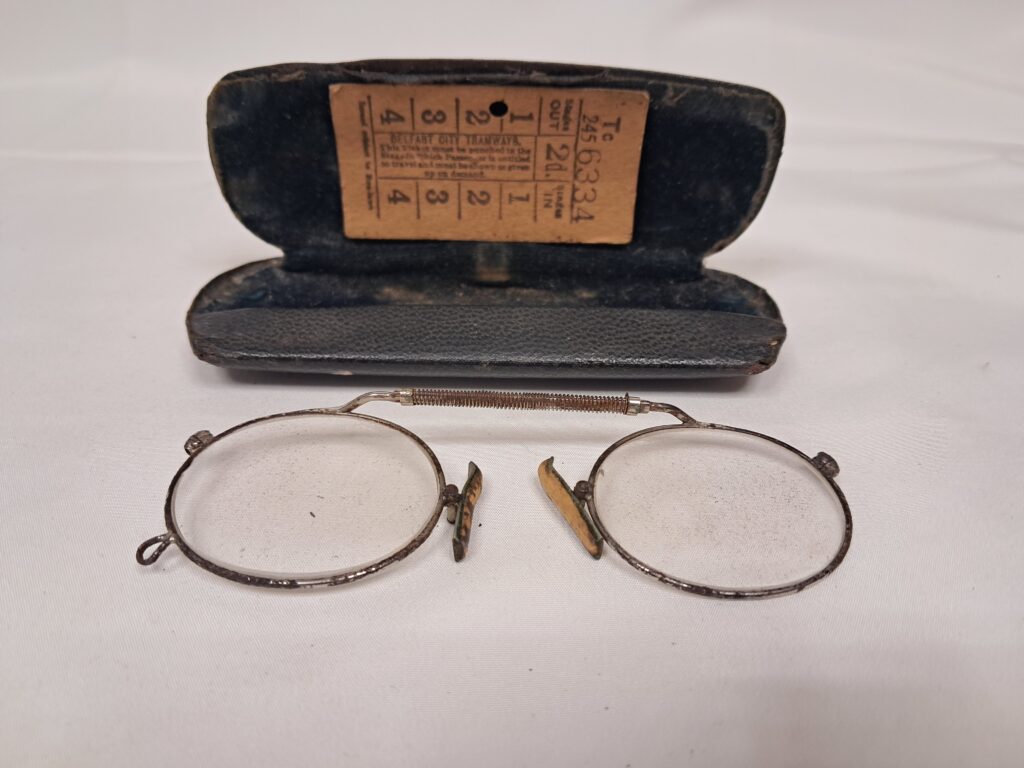
Spectacles had been available since the 18th century but were considered a specialised, bespoke item. Improved understandings of the physiology and anatomy of eyes from the 19th century allowed ophthalmologists to more accurately measure and diagnose vision loss. Corrective spectacles became popular and fashionable. Spectacles without legs, such as the pince-nez style, were fashionable and popular between the 1880s and early 1900s.
Numol
Numol was a tonic and food supplement popular in the early 20th century. It was marketed as useful for addressing malnutrition, and as a ‘body builder’ food that aided recovery, digestion and appetite for both children and adults. It was originally prescribed to hospital patients, but a significant advertising campaign launched around 1927 introduced Numol to the general public. Advertising for the product appeared on public transport, such as trams. Numol was produced in direct competition with ‘Virol’, another malt extract supplement manufactured by the Bovril company.
Invalid Feeding Cup
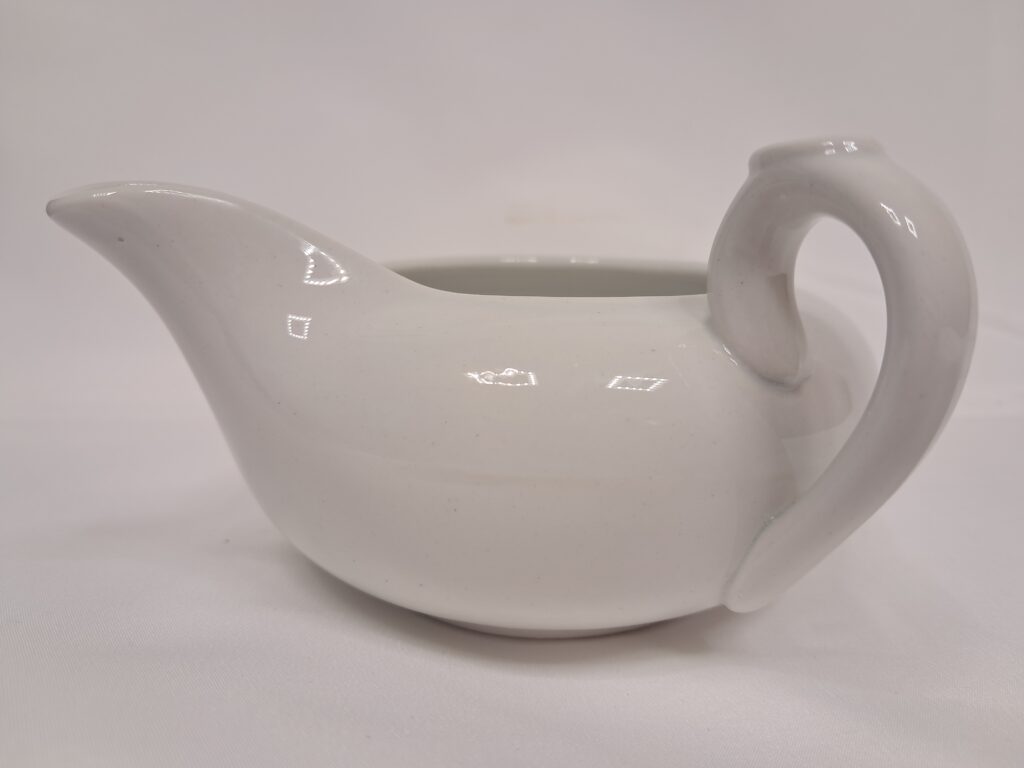
Invalid feeding cups, designed for feeding bedridden or weak patients, were popular from the 1860s into the early 20th century. Resembling a teapot or jug, these containers often featured a half-covered top to prevent spills and a spout for pouring liquids directly into the patient’s mouth, without needing to sit up. They were staple items in Victorian households and hospitals, and were widely used for injured soldiers during World War I.
Horlicks
Mixer
Horlicks began in the 1870s with two English chemists, James and William Horlick, emigrated to America, and created a patented malted milk powder intended for infants and invalids. It later became famously used for nourishing explorers and soldiers abroad. Due to its convenience and nutritional value, doctors prescribed the powdered mixture as a dietary supplement, at a time when the freshness of milk could not be relied upon. In the 1930s, the company developed the ‘night starvation’ advertising story that promoted Horlicks as a healthy bedtime drink that aided sleep. In the 1950s, Horlicks was even claimed to treat gastric ulcers and diabetes. Today, Horlicks has maintained its image as a nostalgic, comforting, non-alcoholic bedtime drink.
Boots Poison Bottle
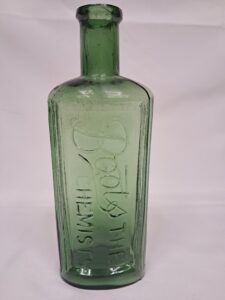
Boots the Chemists started in 1849 in Nottingham as a herbalist shop by John Boot. Offering affordable remedies, his son Jesse Boot expanded Boots into a large, modern retailer known for selling patent medicines at low prices. Over time, Boots grew into a national chain. Boots the Chemist bottles were primarily used for poisons and other dangerous substances. Their distinctive colour and shape were intended to help prevent accidental poisoning.
For much of the 19th century, anyone could purchase poisonous substances over the counter including rat poison, ammonia and arsenic. Rather than pay for packaging, they often brought along old food jars and drinks bottles, leading to inevitable mix-ups. Hundreds of cases of accidental deaths by poisoning were recorded every year. The Victorians introduced Ribbed green bottles to help prevent accidental poisoning in dark, candle-lit homes.
Tuberculin Syringe
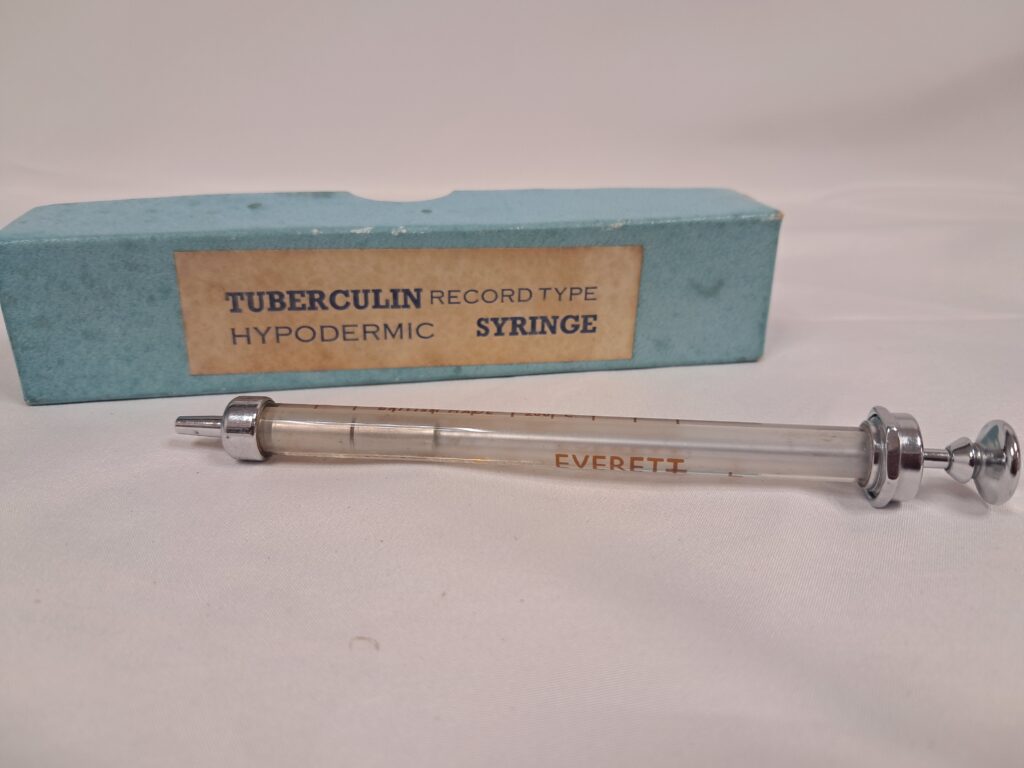
Tuberculosis was a major 19th-century killer. German physician Robert Koch introduced tuberculin in 1890 as the world’s first cure for tuberculosis. Koch’s announcement of a definitive remedy triggered global hope and a rush of clinical trials known as the ‘Tuberkulin-sturm’. Ultimately, the treatment failed to cure. Worse still, it induced severe, dangerous reactions including high fevers, vomiting, and constitutional distress. In 1907, Clemens von Pirquet, an Austrian paediatrician, recognised the diagnostic potential of tuberculin as a skin test that measured exposure to tuberculosis.
Vanispot
Facial
Cream
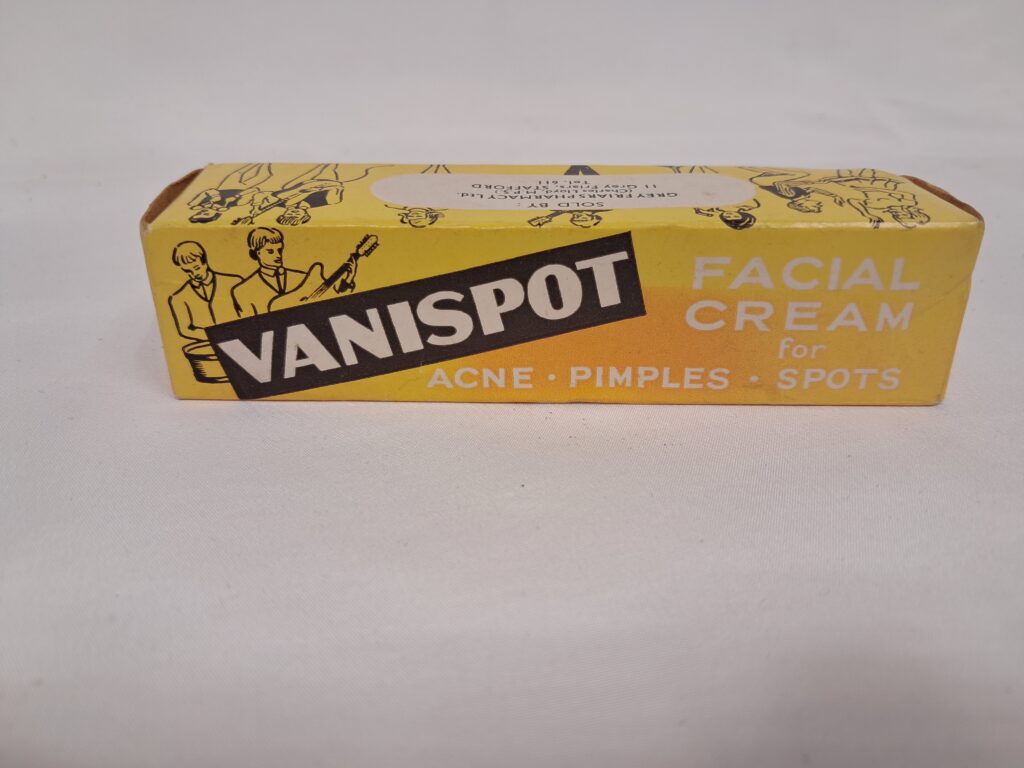
In the 19th century, doctors used mercury to dry out blemishes due to its skin-lightening and antiseptic properties. However, it caused chemical burns and mercury poisoning. Into the 20th century, dermatologists experimented with zinc oxide, sulphur and benzoyl peroxide. From 1971, the prescription cream retinoid preventing the clogging of pores and stimulated skin cell turnover.
Whooping Cough Embrocation
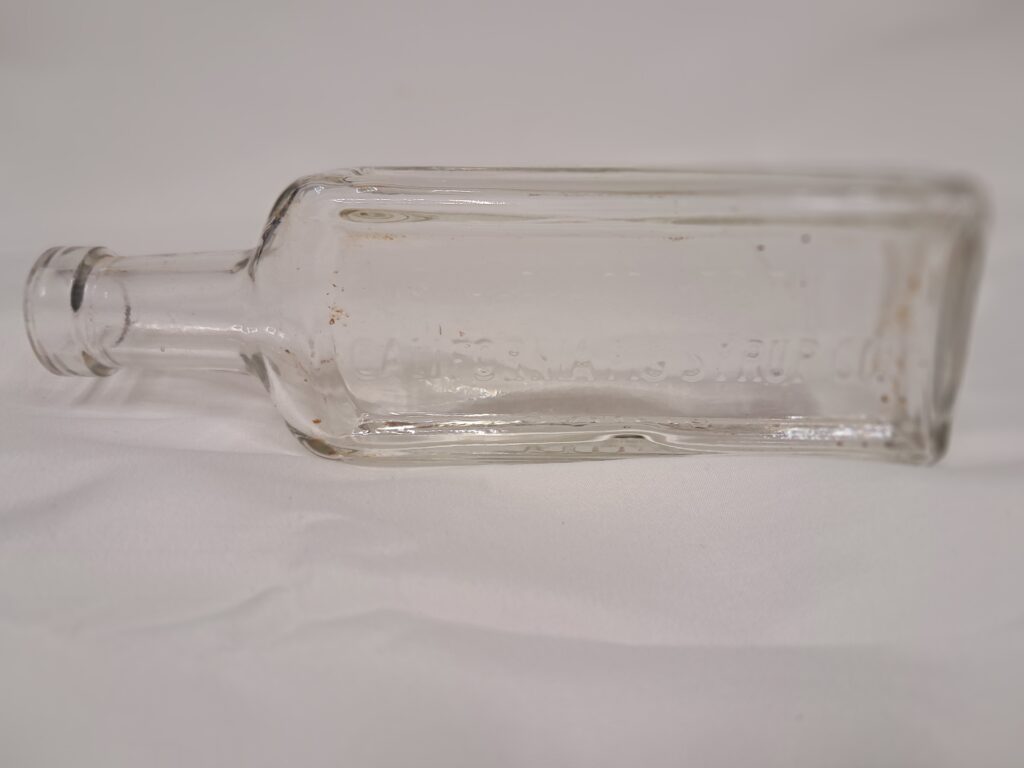
Whooping Cough Embrocation was a topical liquid or ointment massaged into the chest and back to relieve the violent coughing and congestion of pertussis (whooping cough). Popular in the 18th and 19th centuries, it soothed respiratory discomfort without requiring small children to swallow unpleasant internal medicines. At the time, doctors and apothecaries had no cure for whooping cough, a disease that could kill thousands of children each year. Embrocations offered temporary respiratory relief during extreme, weeks-long coughing fits. Roche’s Embrocation was among the most popular of embrocations.
Instrument Dettol
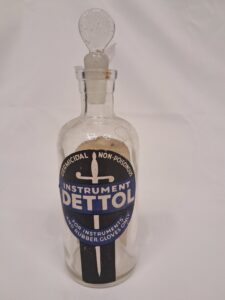
Dettol was introduced in 1933 by Reckitt & Sons as a hospital-grade antiseptic that safely killed germs without irritating the skin. The formula was originally developed in Hull and subsequently tested in London hospitals. At the time, one in three post-natal deaths were caused by sepsis. The antiseptics available were caustic, burnt the skin, and were generally ineffective and unpopular. In contrast, Dettol destroyed bacteria and cleansed wounds without causing pain or discomfort, and could also be used to clean surgical equipment. Within two years, Dettol had helped cut sepsis rates by fifty per cent. Dettol evolved into a product also widely used at home.
Hydrargyrium B.P. (Mercury)
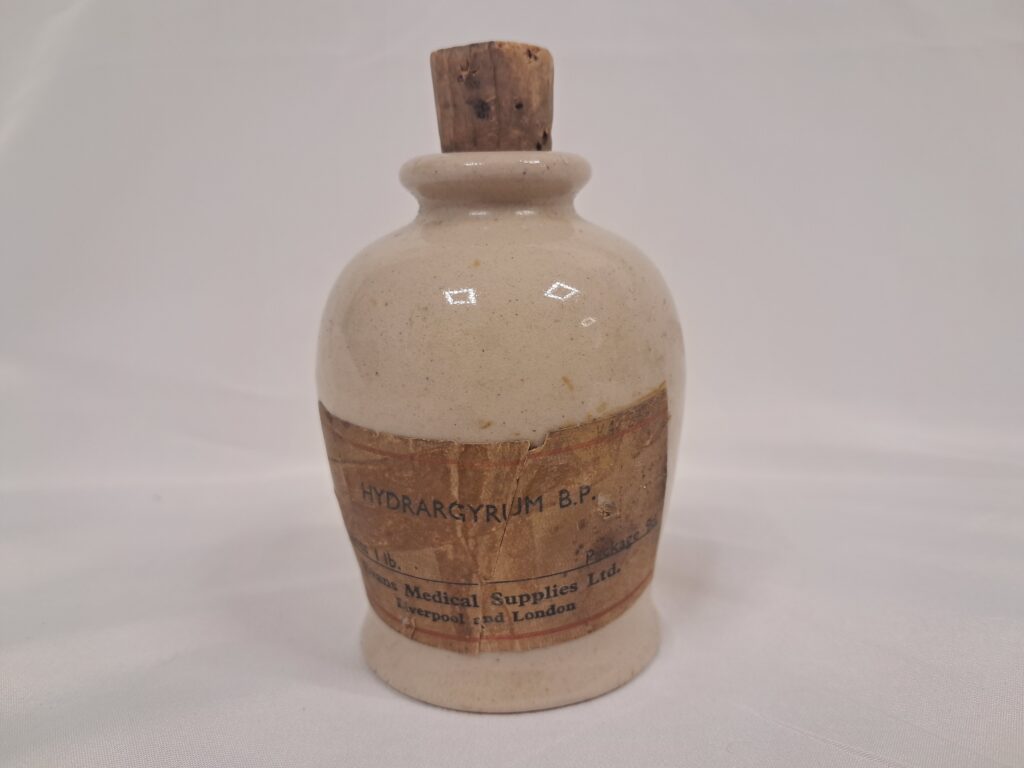
Hydrargyrum B.P. was pure elemental mercury. Historically, mercury, or ‘blue ointment’, was applied topically to treat skin conditions, lice and syphilis. ‘Blue pills’ were oral formulations of mercury, widely prescribed in the 18th and 19th centuries as a purgative, laxative, and a treatment for melancholy and syphilis. However, mercury was highly toxic and is rarely used today. In the nineteenth century, the usual amount of mercury contained in a pill could be one hundred times higher than would be recommended today, and was known to cause severe depression, fits of anger, difficulty walking and tremors.
De Wernet's Powder
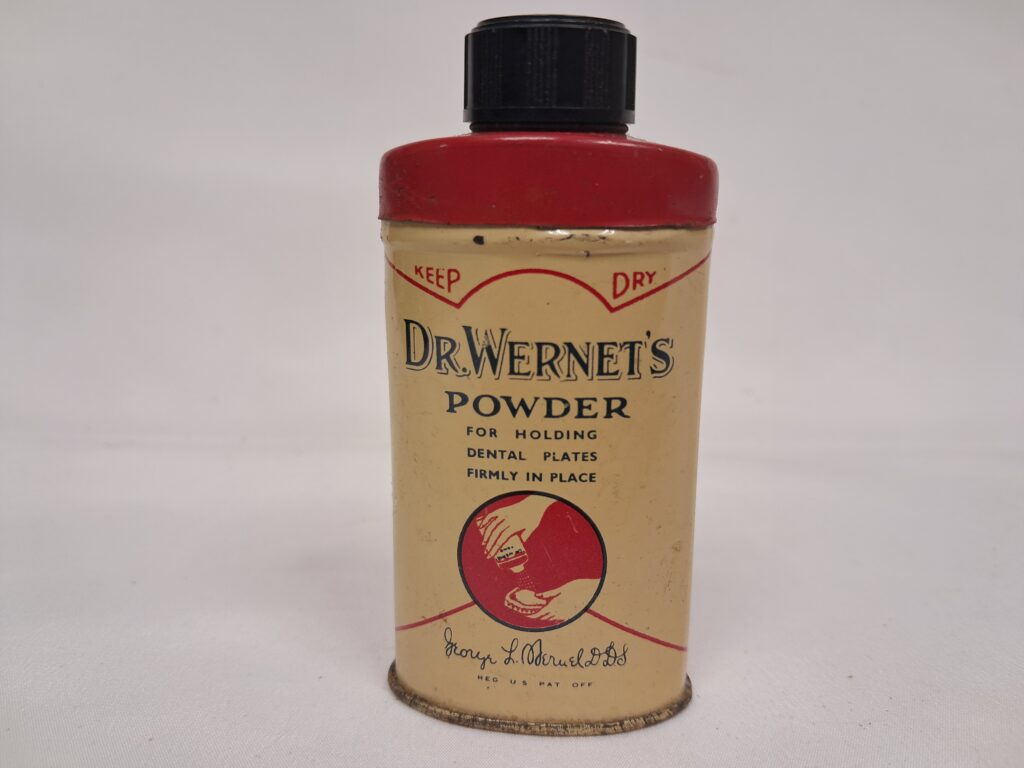
Traditionally, people relied on domestic solutions to hold their dentures into place. From the early twentieth century, commercial denture adhesive powders became popular. Dr. Wernet’s Powder was particularly popular in America, and was distributed by dentists as trials. The powders were sprinkled onto damp dentures to form an absorbent film that held dentures in place, while also aiding retention and biting force. In the late 20th century, companies introduced creams and pastes, which patients found easier to apply and longer-lasting than powders.
Potters Asthma Remedy
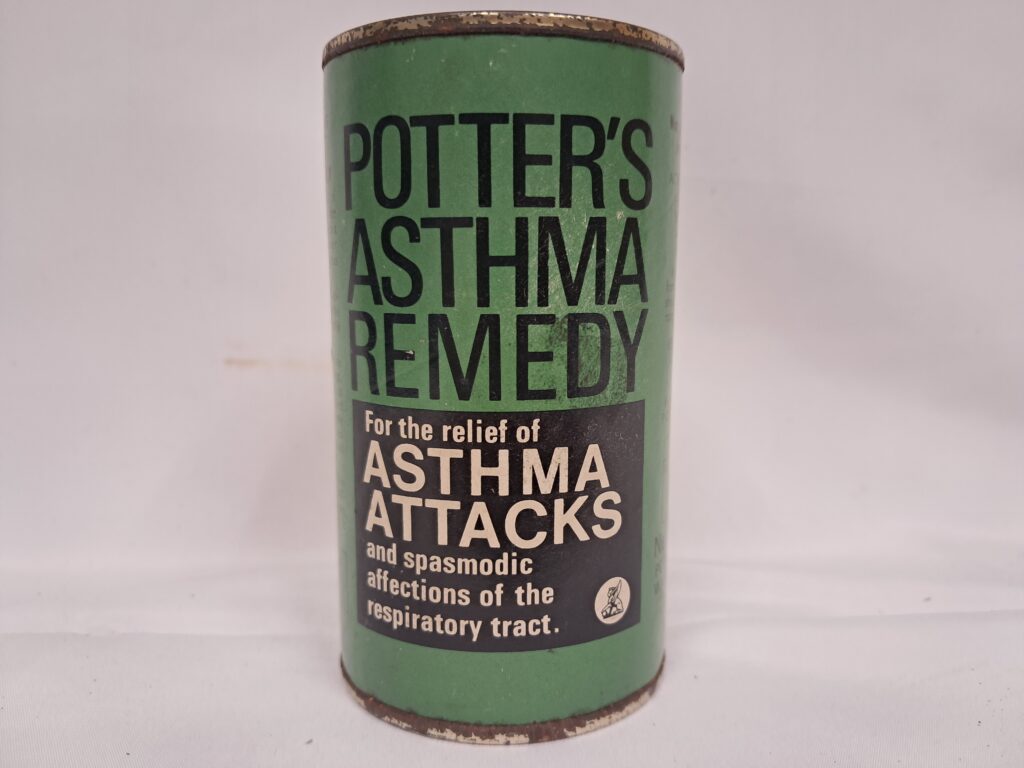
Potter’s Asthma Remedy was a herbal smoking mixture popular in the late 19th and early 20th centuries. It worked by inhaling smoke containing anti-cholinergic compounds, which helped to dilate airways. While it offered some relief, it had side effects and health risks associated with inhaling smoking and was replaced by more effective inhaled therapies. The potential benefits of inhaling smoke were often offset by the irritating and damaging effects of smoke on the lung. In the late 20th century, smoking-based treatments were largely abandoned in favour of modern pharmacotherapy.
Anadin
Tablets
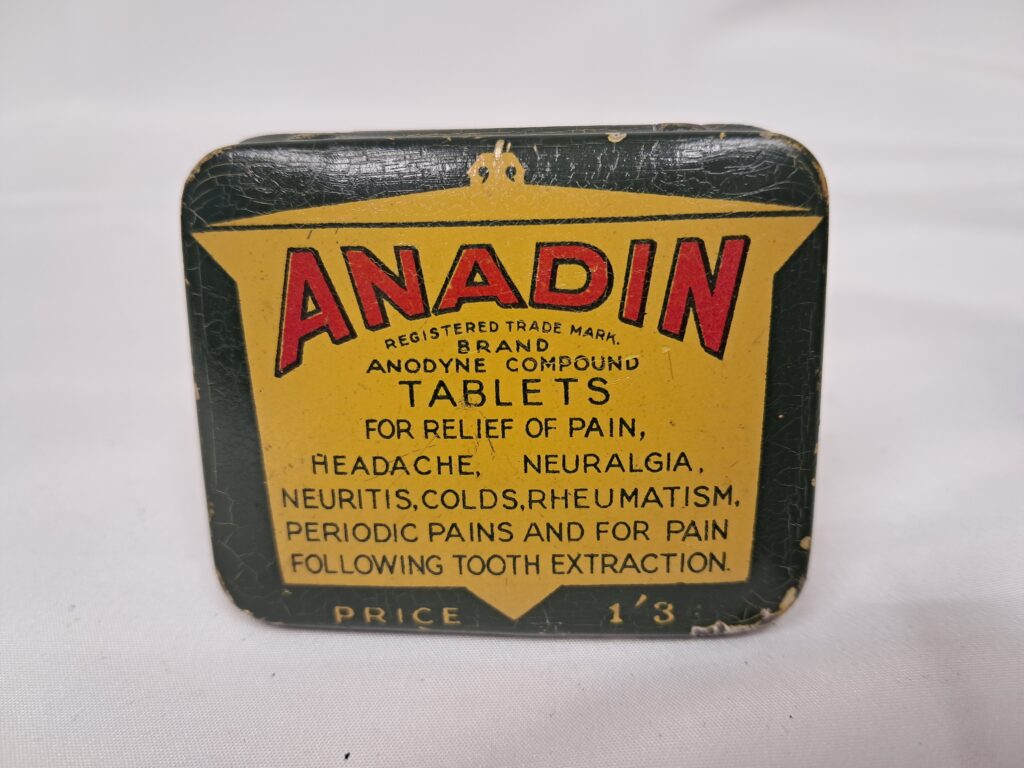
Due to widespread addiction to pain-relieving drugs such as opium and morphine, pharmaceutical companies worked hard to create weaker, non-narcotic pain relievers, Anadin was launched in the UK in 1932, inspired by an American brand named Anacin which launched in 1918. It quickly became a market leader in the UK in painkillers containing aspirin, paracetamol, and ibuprofen. Soluble Anadin tablets were introduced in 1981
Sedormid Sedative Tablets
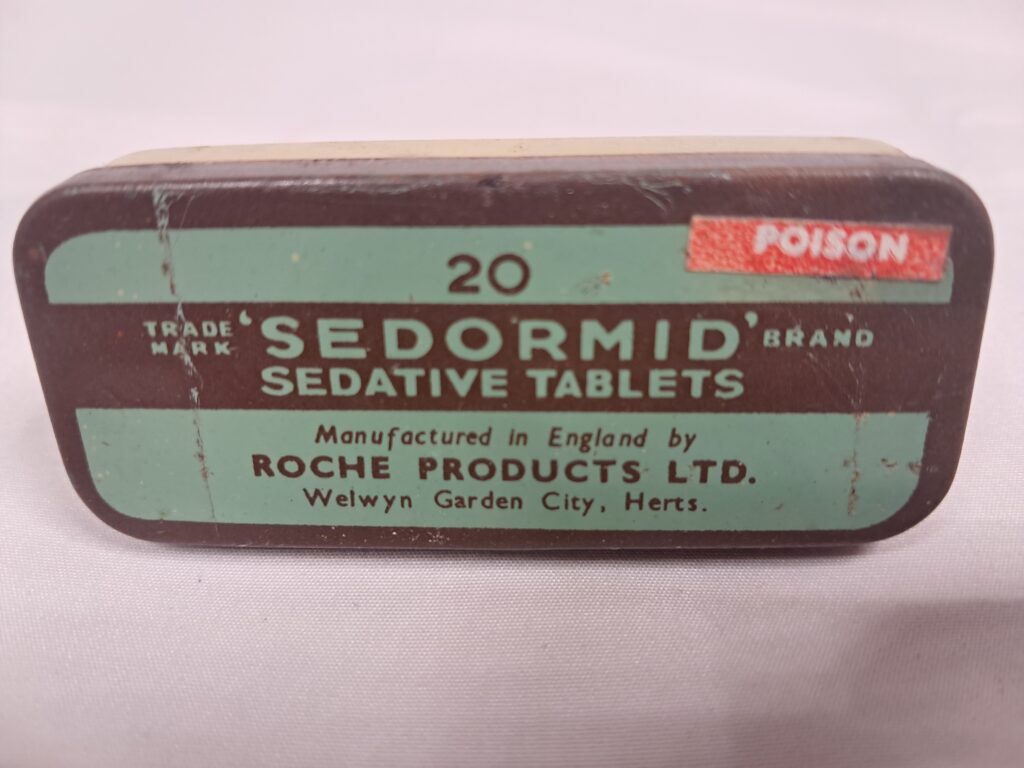
Sedormid was a hypnotic and sedative drug which acted on the central nervous system, similar to barbiturates but considerably milder. It was prescribed as a daytime sedative that also managed insomnia. However, it became controversial in the 1930s due to adverse side effects, and was removed from the market in 1938.
Romilar Cough Tablets
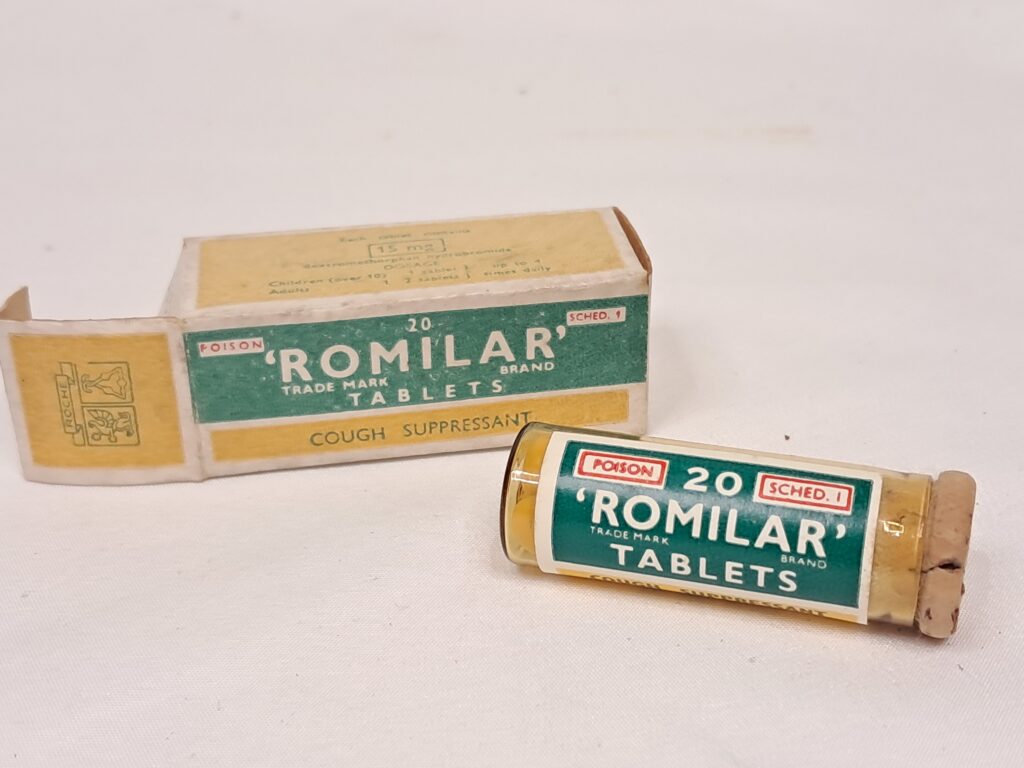
In the 1960s and early 1970s, Romilar was a popular over-the-counter cough medicine, taken in tablet form. As they contained codeine, the original Romilar tablets were discontinued due to addiction and recreational use. Despite promises of being non-addictive, high doses of Romilar produced hallucinations. The original Romilar was reformulated, with an unpleasant taste added to discourage misuse. ‘Dextro weekends’, where people intentionally took large quantities of the tablets, were widely reported.
Calomel
Tablets
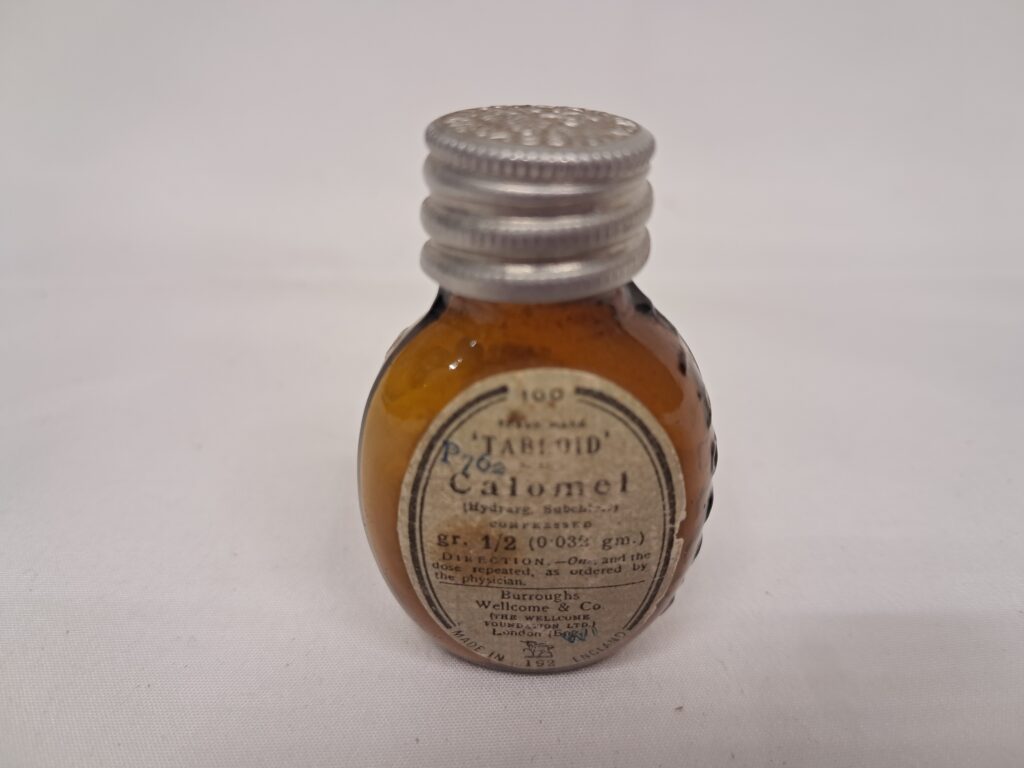
Calomel was a popular but toxic mercury-based medicine used from the 16th to 20th century. 19th century patients used calomel as a panacea to cure everything from teething pain to influenza and tuberculosis. It was most famously used as a laxative and treatment for syphilis. Physicians often prescribed large doses to purge the body of illness, causing severe side effects, including hair and tooth loss. Doctors gradually realised that they were inflicting mercury poisoning. The development of safer, more effective cathartics in the 20th century led to its decline in internal medicine, although it was still used as teething powders for infants until the mid-20th century before finally being banned.
Prentif Condoms
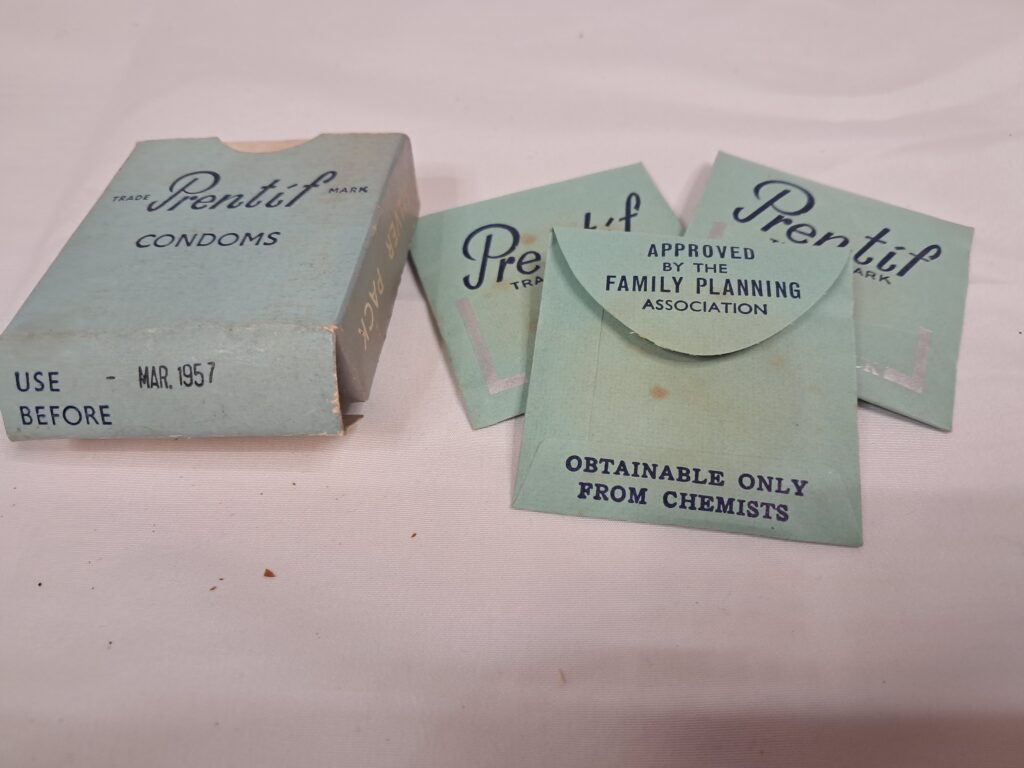
From the late 19th century, contraceptives were widely promoted by birth control advocates in England, although their campaigns were often informed by eugenic efforts to stop certain groups, including the working classes, from reproducing so much. Condoms, associated with sex workers, were expensive and unreliability, often riddled with holes. The more reliable rubber condom was introduced in 1855. These could be reused, making them an economical choice. Doctor had to measure each man to order the correct size, before one-size-fits-all condoms were invented.
Fruit Laxatives
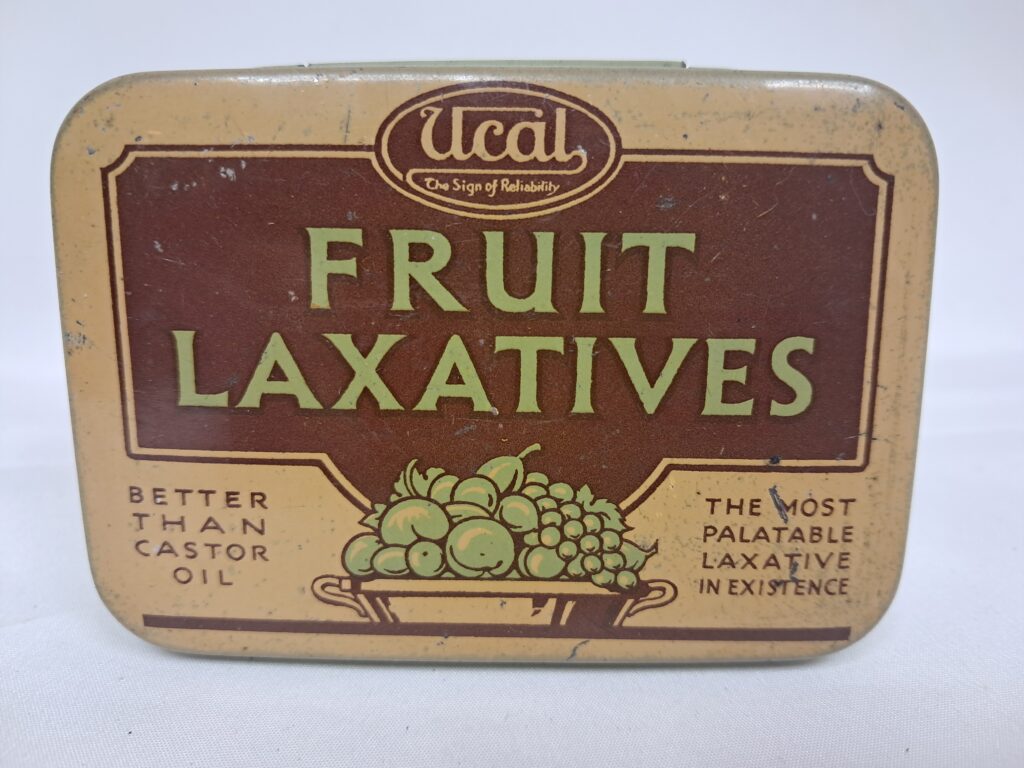
The 19th century saw the commercialisation of laxatives on pharmacy shelves. In the late-Victorian and Edwardian periods, the concept of ‘auto-intoxication’ led people to obsess with keeping their bowels empty. Physicians argued that modern, industrialised diets caused constipation, releasing toxins into the blood and causing deadly diseases. Some surgeons entirely removed colons. Demand for laxatives increased. Chocolate-coated laxatives were produced for children. This product used fruit to entice customers by making their laxative more palatable.
Codeine
Tablets
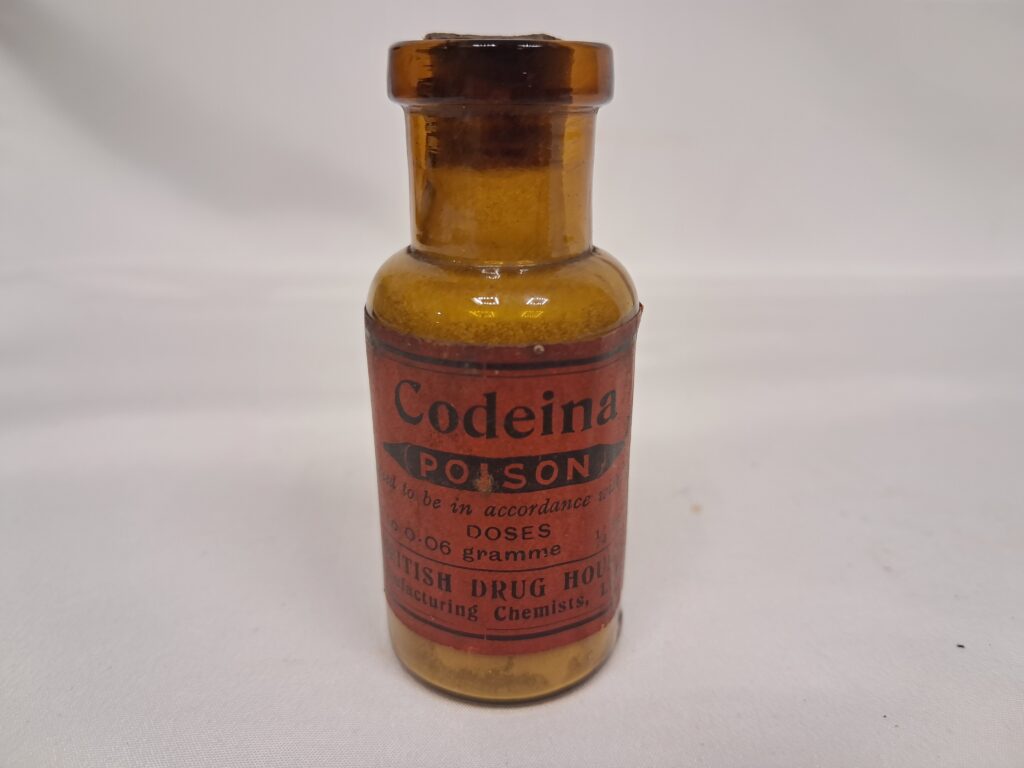
Codeine was isolated from opium in 1832. It was subsequently sold in bottles as a cough suppressant or analgesic. As the highly addictive nature of morphine became increasingly apparent, codeine was adopted as a milder, less addictive substitute and was even used in early attempts to treat morphine withdrawal. Throughout much of the 19th and 20th centuries, it was available over-the-counter until concerns over abuse and addiction led to stricter regulations. By the mid-20th century, formulations like Elixir Terpin Hydrate & Codeine were common, available in bottles as a cough and cold treatment. Codeine remains the world’s most widely used opiate.
Hyoscine Hydrobromide
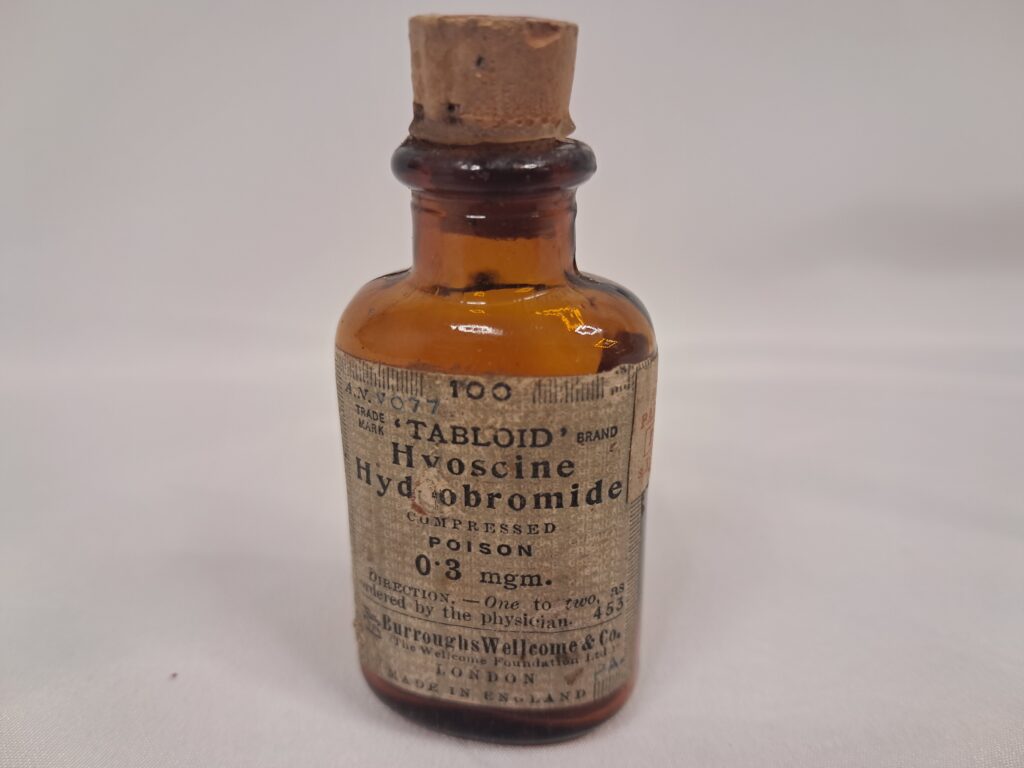
Hyoscine hydrobromide (or scopolamine) is a medicine primarily used today to prevent and treat motion sickness by blocking nerve signals. However, early-20th-century doctors administered scopolamine before surgery to dry up bodily secretions and provide sedation. Scopolamine was often combined with morphine to create ‘twilight sleep’, rendering women insensible to the pain of labour while still remaining conscious. In 1916, Texas obstetrician Robert House noticed that women under ‘twilight sleep’ answered questions very openly, and performed experiments to see if scopolamine worked as a truth serum. During the Second World War, Allied and Axis intelligence agencies tested the substances. However, they found that while scopolamine made people more talkative, it did not necessarily elicit truth or war secrets.
Chocolate Laxatives
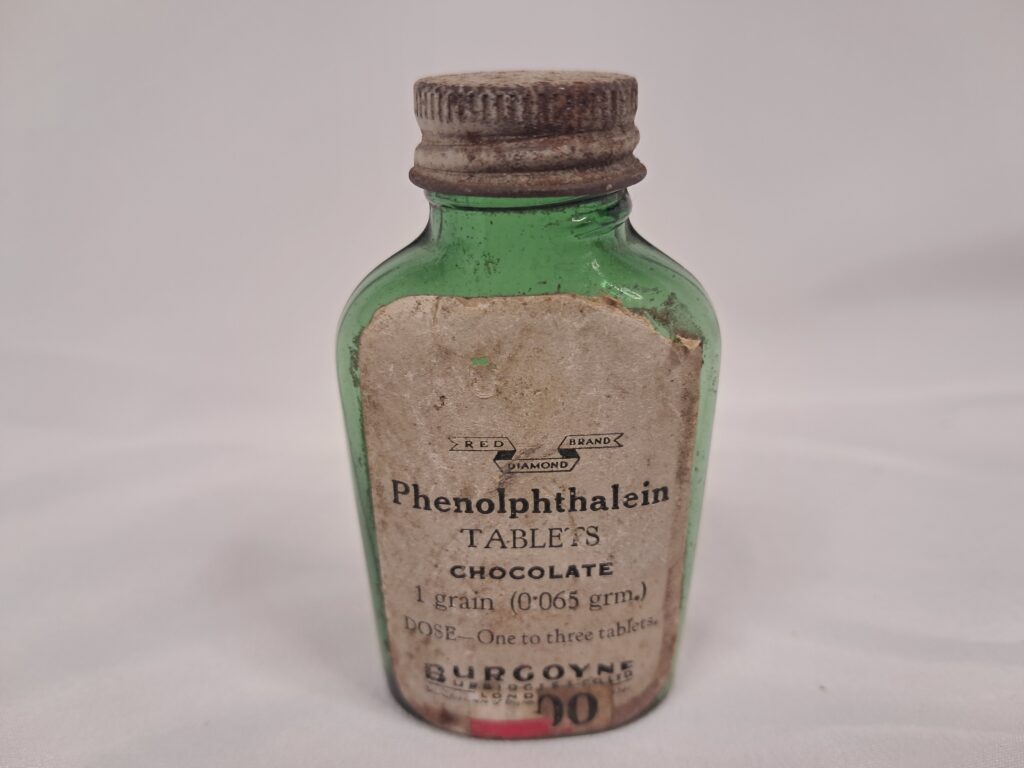
Phenolphthalein chocolate tablets were popular over-the-counter laxatives (most famously sold as Ex-Lax) that combined the laxative phenolphthalein with chocolate to mask its medicinal taste. It was created in 1906 by pharmacist Max Kiss as an alternative to traditional laxatives such as castor oil that tasted terrible. Particularly popular among children, Ex-Lax became a household staple and a best-selling laxative. Because they looked, smelled and tasted like chocolate squares, young children frequently mistook them for treats and suffered severe overdoses. Studies in the 1990s linked phenolphthalein to cancer risks, skin reactions and allergic responses. It was removed from the market in 1999.
Folding
Goggles
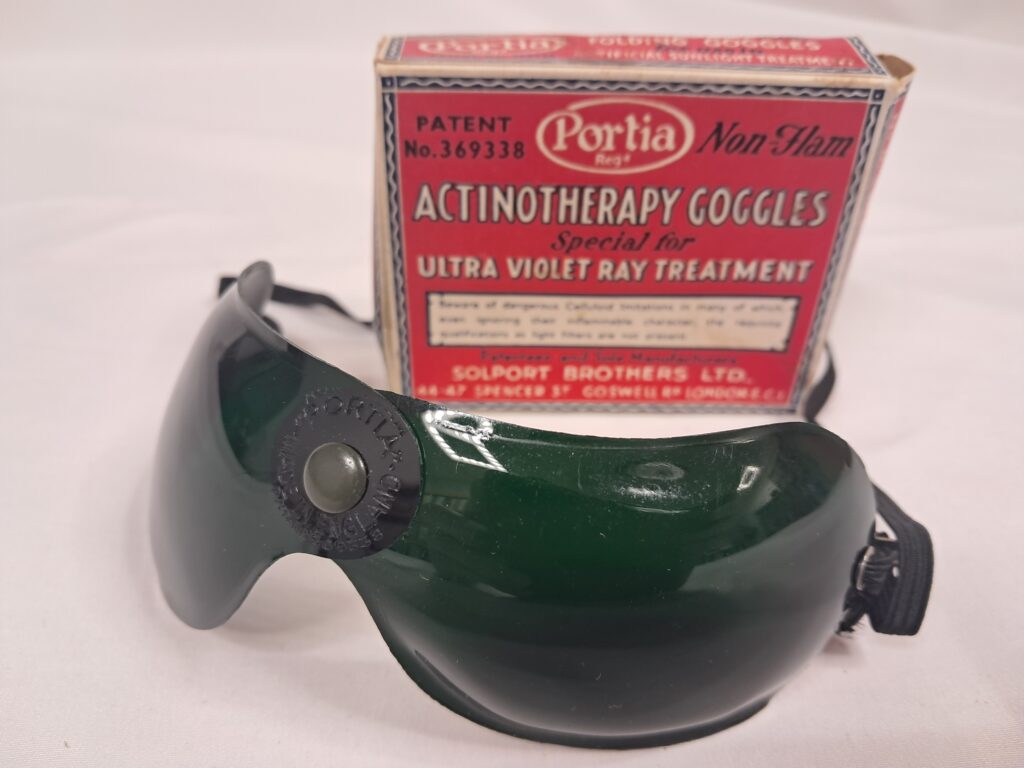
Light therapy was developed in the late 1800s and early 1900s due to a belief that ultra violet rays were beneficial, especially for bone-related issues such as rickets, and also treating the skin lesions left by smallpox. However, light therapy was widely discussed, debated and disputed in the medical and popular press. Light therapy lamps posed risks. Patients wore goggles to protect their eyes from the light. This pair was described as non-flammable as some brands of goggles caught fire while the patient was wearing them!
Spirit
Burner
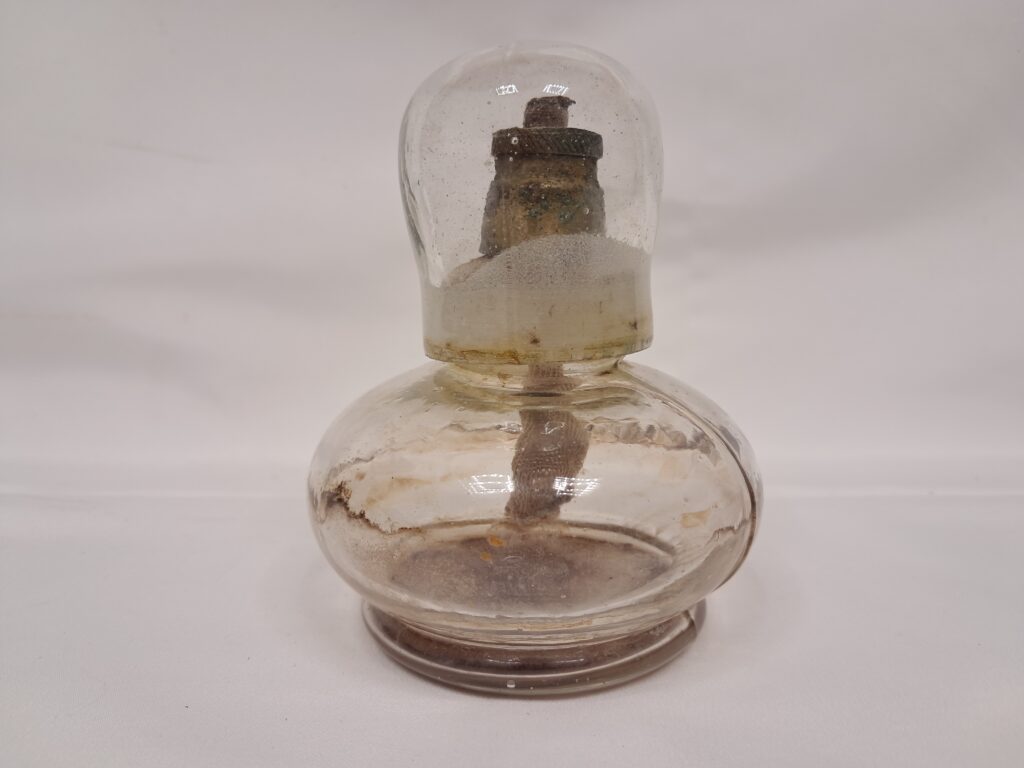
For 2,000 years, until the 19th century, bloodletting was central to medical practice. Leeches were popular among doctors for drawing out blood. People bled themselves, or could secure the services of all manner of untrained bloodletters. Cupping, although still gory, was far less disgusting than leeching. One popular method involved creating a vacuum using vessels placed on the skin, offering precision and control over the procedure, before slashing into the skin with a lancet, and catching the blood in cups. The methylated spirit burner (or spirit lamp) provided a reliable, portable flame in medicine throughout the 19th and early 20th centuries. Before modern gas and electrical lighting, doctors relied upon the lamp to see what they were doing. The lamps also provided a safe, adjustable flame used in laboratories. The lamps could also be used for dry cupping. A nurse would ignite a wick inside a glass cup, instantly consuming the oxygen to create a vacuum before applying the cup to the patient’s skin before performing bleeding.
Anaesthesia Masks
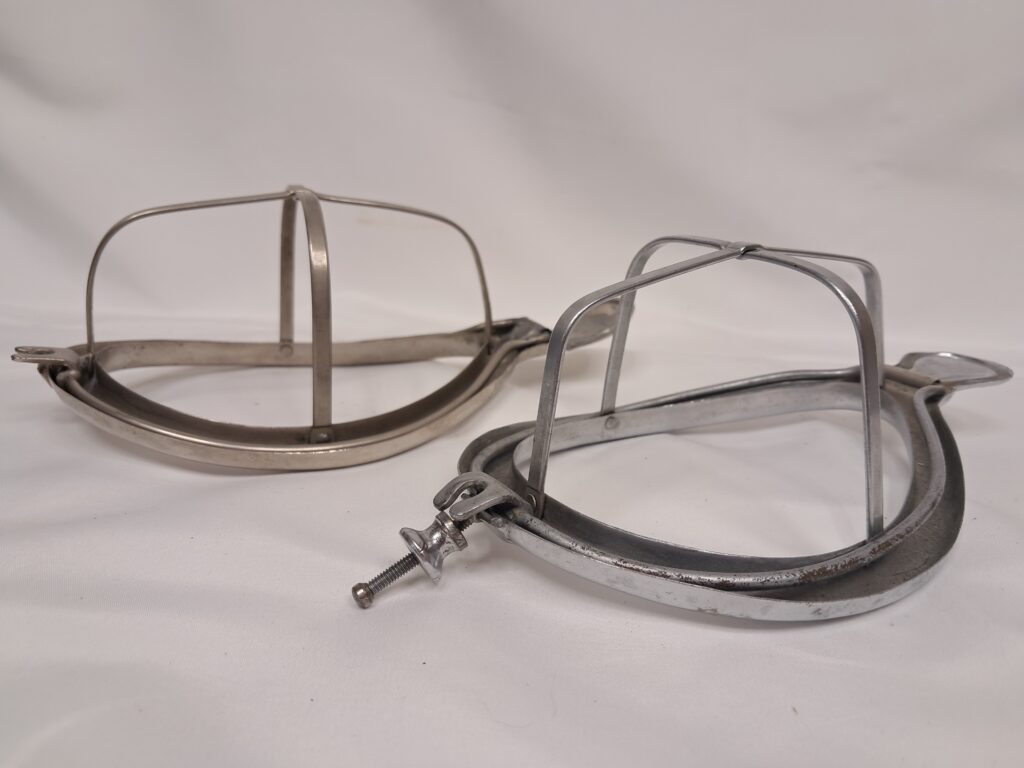
When mid-19th century surgeons first developed anaesthesia, it had to be administered by pouring the liquid onto a handkerchief or towel, which regularly irritated or burned patients’ faces. This Schimmelbusch Mask was designed around 1889 and became widely used. It featured an oval metal frame with crossing metal supports over which several layers of gauze or lint fabric were stretched and clamped into place. The gutter-like rim around the edge collected excess liquid anaesthetic and prevented it from dripping onto the patient’s face. Anaesthetic liquid was manually dripped onto the gauze, and the patient inhaled the vaporized agent along with air. These metal masks remained popular until the 1950s and 1960s. These masks were owned by Dr Bertie Huey (1899-1935) who died aged just thirty-five in Portrush.
Pill Maker and Press
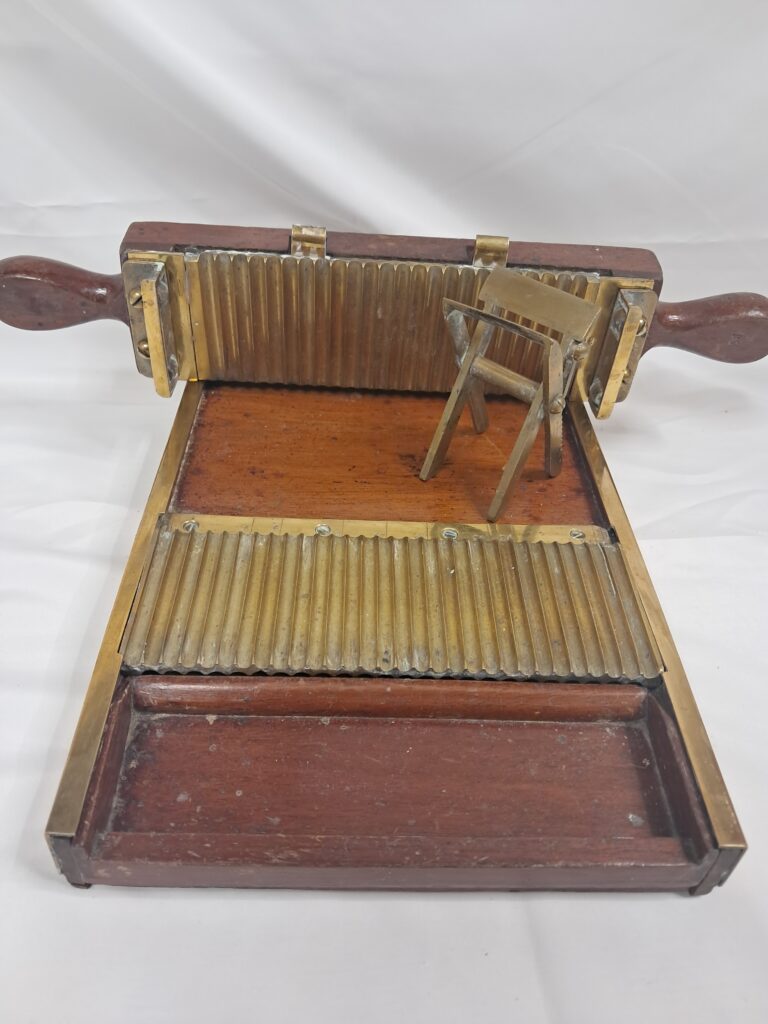
Before the days of factory-produced drugs, dispensing was considered an art. Pill making machines were vital to the chemist’s everyday work. Chemists bought, sold and manufactured all their own drugs and medicines. Every tablet, pill, suppository, ointment, potion, lotion, tincture or syrup was laboriously hand-made. Powders, mixed with a binding agent, were hand-rolled at the back of the machine, which then cut the medicine into equal-sized pills. Syrup was used as a binding-agent.
Dr Nelson's Improved Inhaler
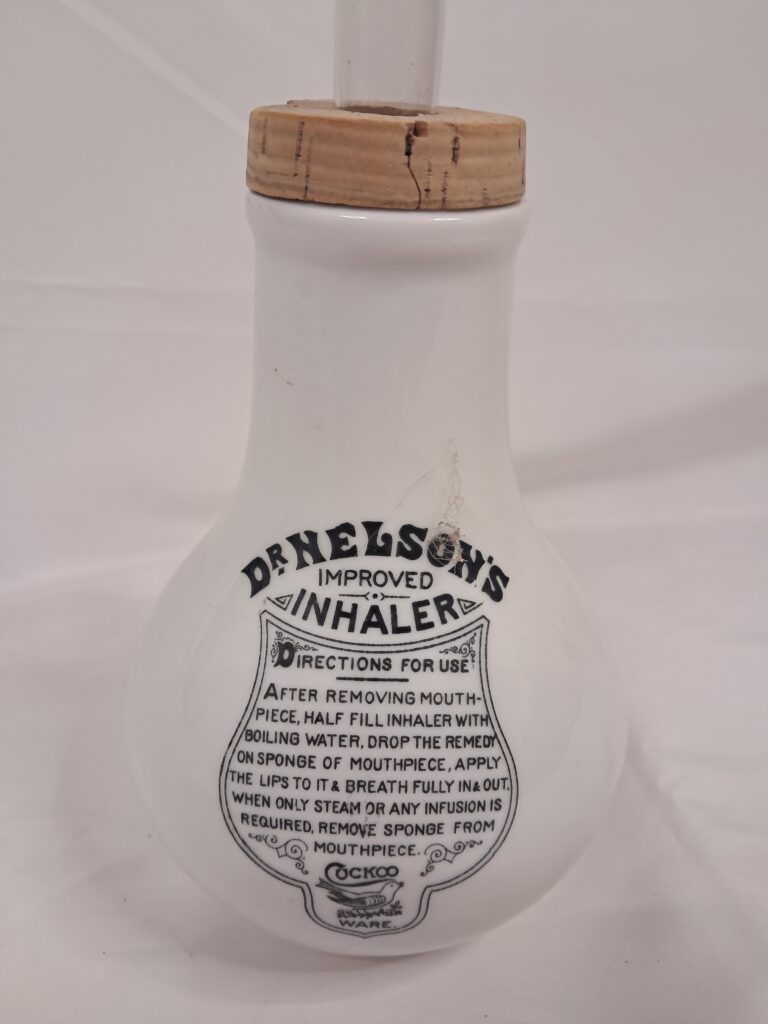
Respiratory ailments were rampant in Britain at that time due to industrialisation, pollution and rapid urban development. Inhalers were used to manage chest infections and diseases. This Nelson type, introduced in 1861, was particularly popular and enduring. Widely available from pharmacists, patients inhaled the steam directly as it emerged from the glass funnel. Nelson prided himself on the ‘great ease and simplicity of action, perfect cleanliness, and an arrangement of the mouth-piece by which is secured economy in the use of any medicated ingredient that may be required for inhalation’.
Phrenology
Head
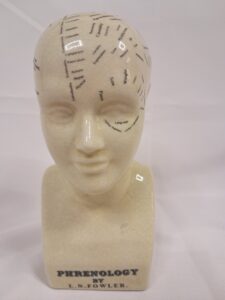
In the early 19th century, Viennese physician Franz-Joseph Gall proposed radically new ideas about how brains work. According to Gall, the various localised functions of the brain were situated in specific sites or ‘organs’ of the brain, each of which grew or shrank depending upon use. These changes, Gall believed, were perceptible on the surface contour of the skull. Consequently, different abilities and personality traits could be ‘read’ by examining the surface bumps on the skull. This became known as phrenology. This phrenology head provided a three-dimensional reference guide to direct the reading of a subject’s skull. It was marketed from 1834 by L. N. Fowler and Co., an American enterprise.
St. George’s Enema
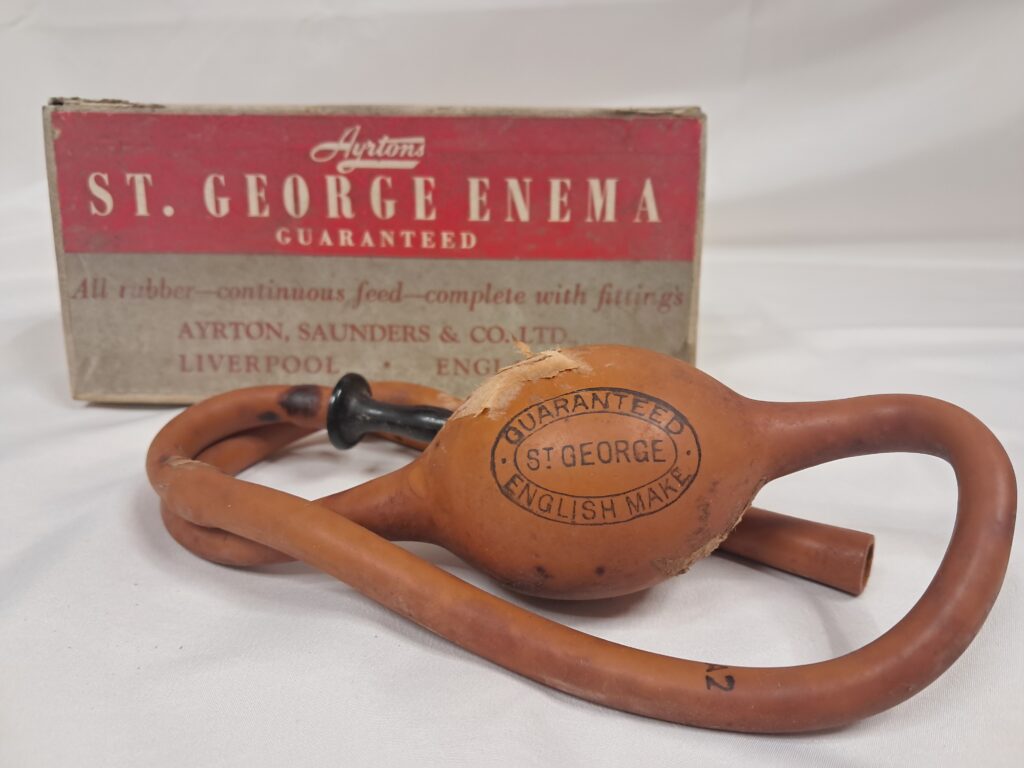
The St. George Enema was a mid-20th-century rubber syringe kit used for bowel irrigation. First manufactured in England before the Second World War, it was marketed for home hygiene, contraception, and personal purification. It was designed to be highly versatile. The tube created the vacuum and pressure necessary to inject liquid, and could be fitted with various sizes of nozzle. At the time, doctors warned that substances that accumulated in the body could cause rapid health decline. The theory of ‘autointoxication’ emphasised the harm caused by built-up faeces in the colon, believed to poison the body. Families used enemas to cleanse the system and prevent illness. Women purchased them as a contraceptive, for douching after intercourse.
Wife's Friend Soluble Pessaries
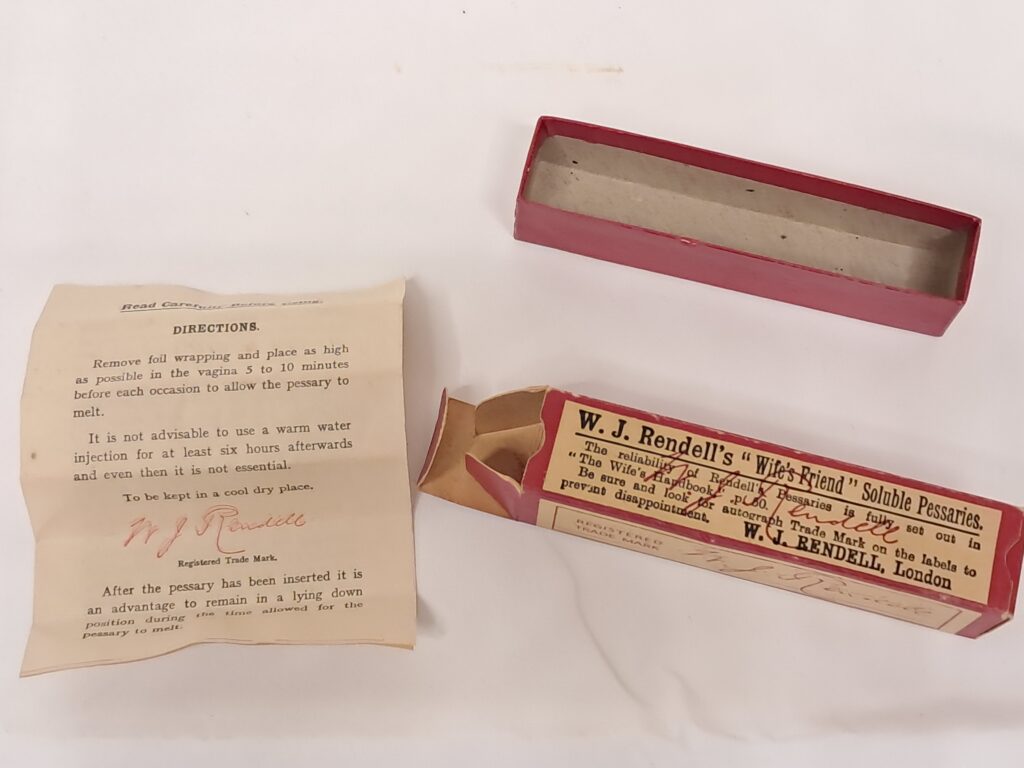
Spermicide pessaries were tablets inserted into the vagina to kill sperm before it reached an egg. In the 1930s, W. J. Rendell’s ‘The Wife Friend Soluble Pessaries’ were among the most popular contraceptive products on the market across Britain and its empire. Well marketed in women’s magazines, these pessaries were available via mail order and from every chemists’ shop and easily recognisable by their distinctive red box and branding. They were used in conjunction with a sea sponge.
Omagh Asylum Staff
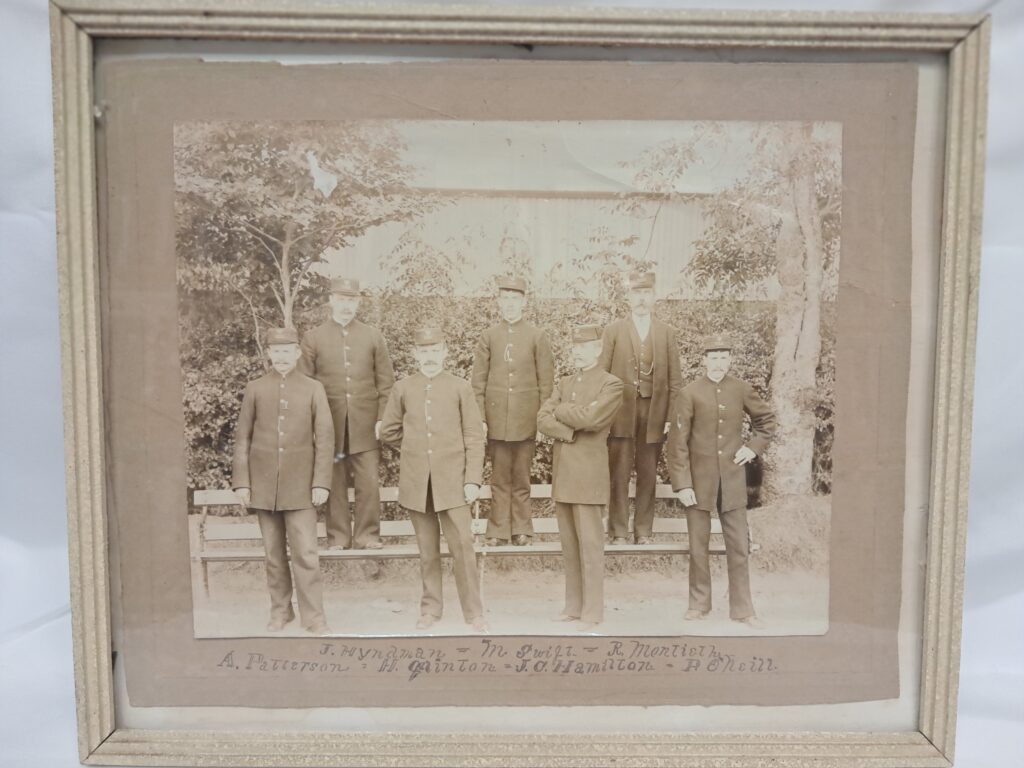
Male asylum attendants acted as both custodians and caretakers, providing supervision, physical care, and therapeutic engagement for patients. They maintained order, assisted with daily hygiene and meals, managed patient labour on farms and gardens and organised recreational activities. Asylums required strong men, and ideally with musical or trade skills. They worked long hours, with every second night and some weekends off. Their distinctive uniforms helped establish authority. While originally tasked with simple custodial roles, training became more formal over time, leading toward the professionalisation of mental health nursing. Some male attendants were accused of harsh treatment and brutality towards patients. Some were drunk and abusive.
Sussex Infant Resuscitator
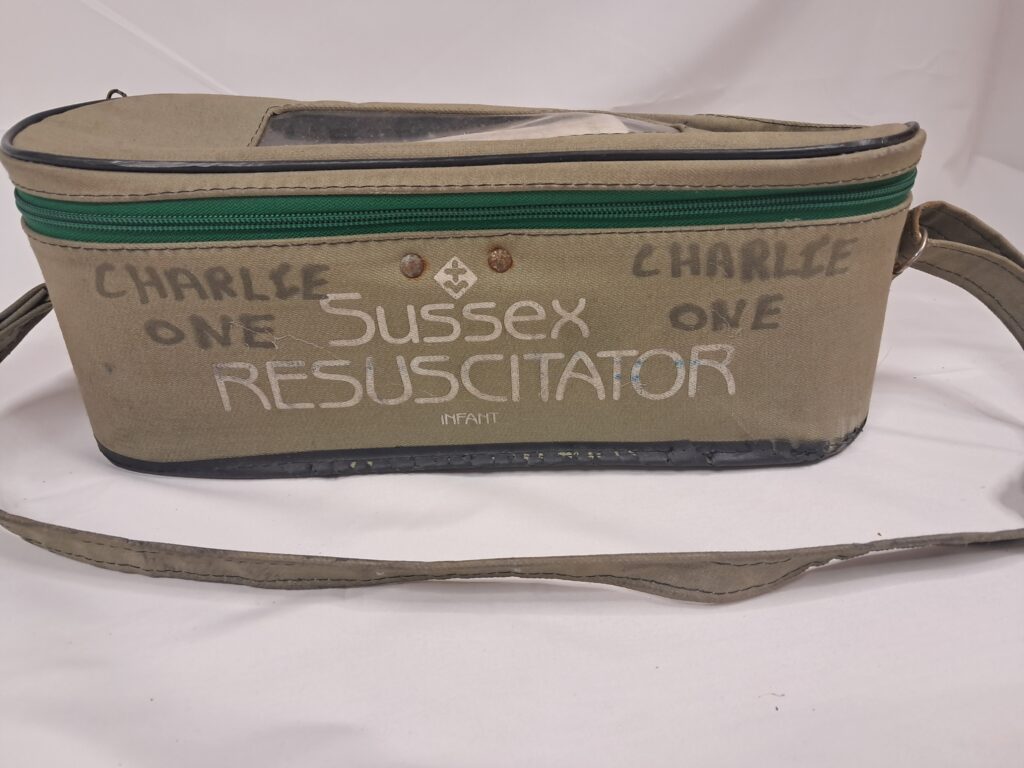
In 1907, Heinrich Dräger created the Pulmotor, the first practical device for delivering oxygen to patients in respiratory distress. The 1956 invention of the self-inflating bag led to the development of the Ambu bag, used specifically for infant resuscitation. It was invented during the polio pandemic. It became a staple in emergency medical care. Later innovations included the Samson resuscitator in 1963, which featured a pressure relief valve to protect infant lungs. Subsequent designs that improved oxygen delivery and ventilation techniques. Samson introduced a new version in 1974 with an accordion-like bag for higher pressure and oxygen administration. The use of the Samson resuscitator began to decline as newer methods and more modern bag valve mask (BVM) devices became available and standards improved.
Hot Water
Bottle
Hot water bottles have been used since at least the 16th century. Older models were metal containers packed with hot coals. Far from safe, they could burn the skin if touched directly. Ceramic hot water bottles were invented in the Victorian era as a safer alternative for keeping people warm. These heavy stoneware containers were filled with hot, boiling water, sealed with a cork or screw cap and tucked under blankets. Around the start of the 20th century, developments in rubber making marked a big shift in the evolution of hot water bottles, which could now safely be kept in bed overnight. Hot water bottles soared in popularity, especially in cold winters. This bottle, from Derg Valley Hospital, was most likely used to warm ladies’ toes, providing comfort.
Vaginal Irrigator
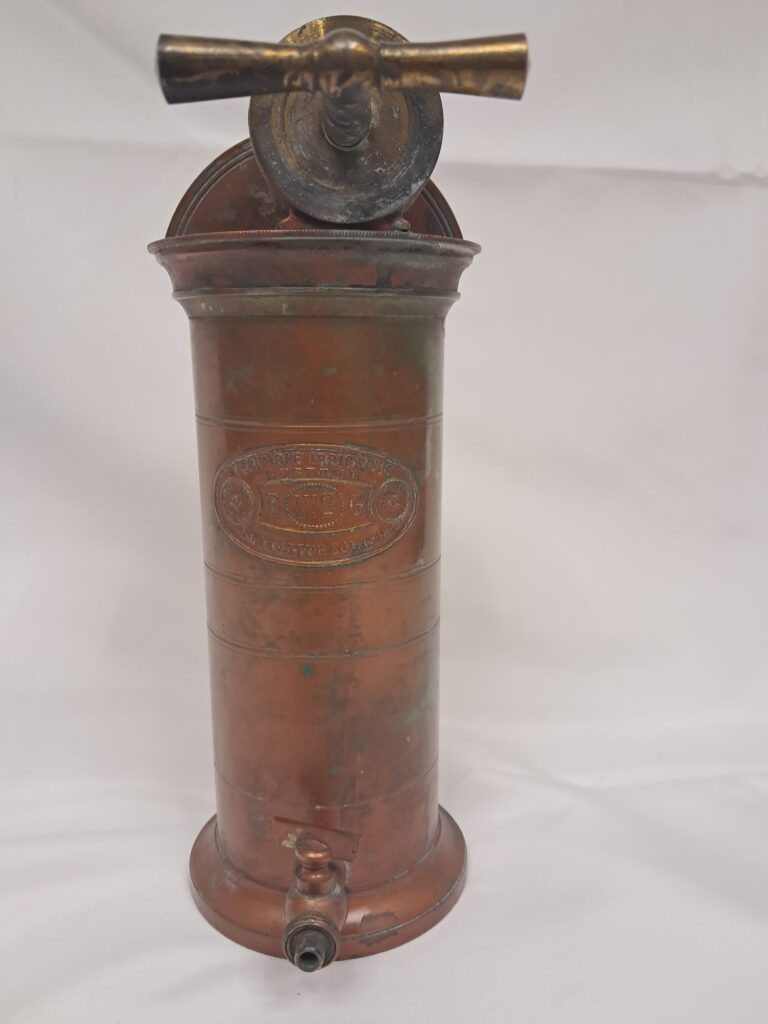
The vaginal irrigator was commonly used in the 19th-century for contraceptive purposes. A rinsing fluid passed through a controllable pump system into a hose. Water pressure was easily controlled. This douche was introduced in 1843 by Parisian doctor Maurice Eguisier and medical technician François Libault. It was designed for all bodily orifices, providing a rinse for the bladder, the ear, sinuses and intestines, but most famously established itself as a vaginal douche. The addition of sperm killing substances helped prevent pregnancy. Needless to say, this method was not particularly reliable. The rinse had to take place immediately after intercourse, which was hardly romantic. The rinsing fluid was unpleasantly cold and irritating.
Doctor’s Bag
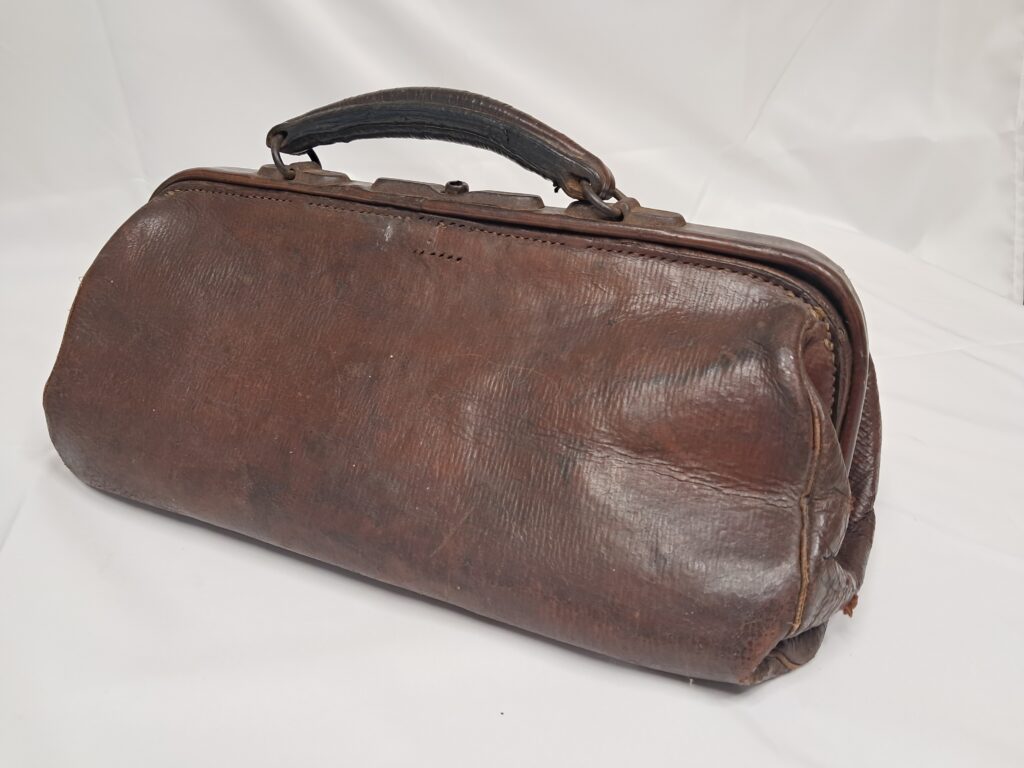
The Gladstone bag, designed by London leather dealer J. G. Beard, was named after the British Prime Minister William Gladstone. Its sturdy split-metal frame, wide mouth and lightweight build made it perfect for doctors treating patients on home visits. During the two World Wars, military surgeons used these lightweight bags to carry medicines and instruments directly to the front lines.